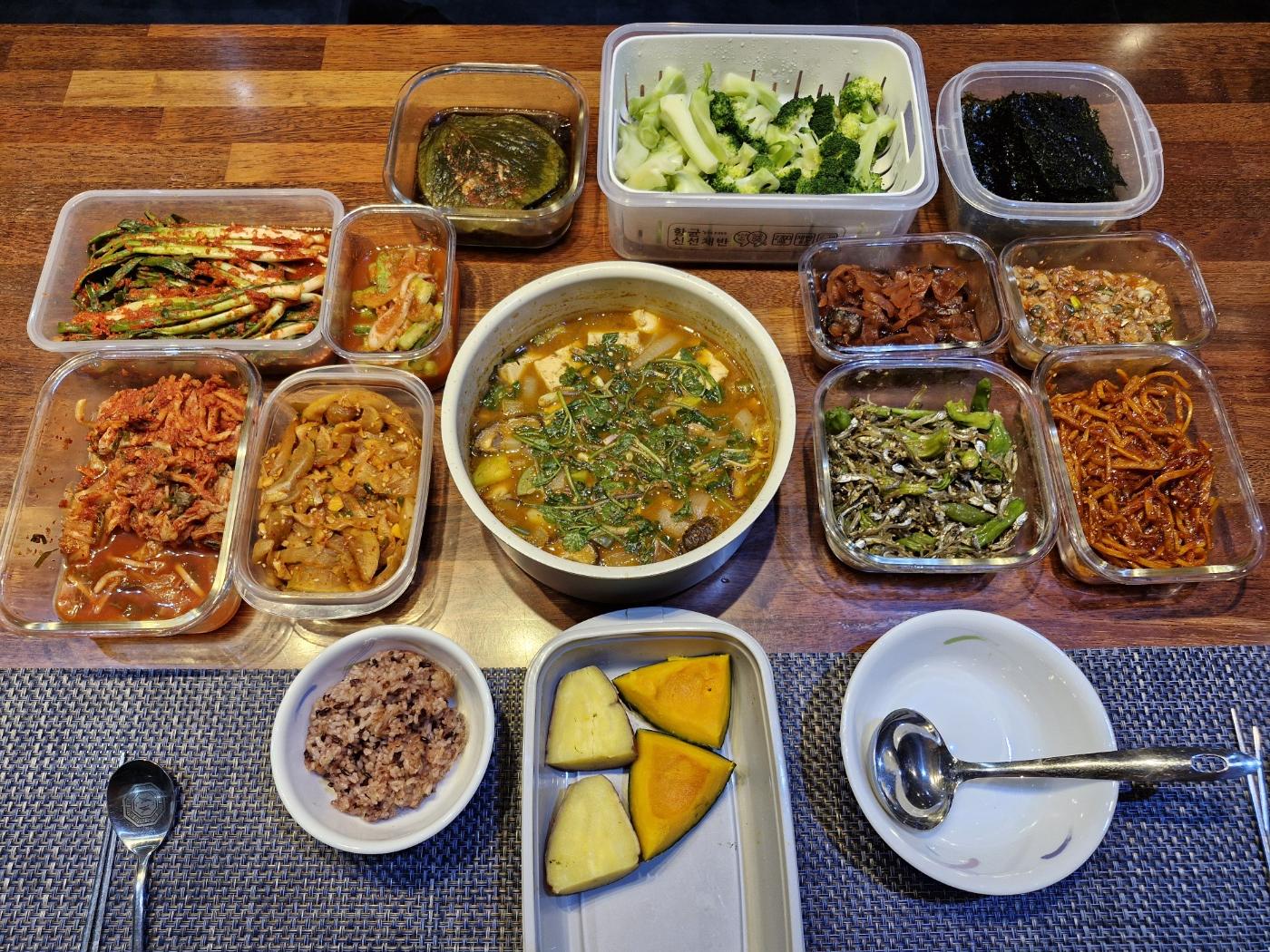
Doenjang-jjigae is more than just a soup; it’s the heart of the Korean table. While Kimchi-jjigae is famous for its spicy kick, Doenjang-jjigae is loved for its deep, earthy, and nutty “umami” flavor. Today, I’ll show you the most standard yet perfect way to cook this at home, ensuring it tastes exactly like what you’d find in a traditional Korean household.
🛒 Ingredients & Preparation
The beauty of this stew is its versatility. You can use whatever vegetables are in your fridge, but for the “original” taste, these are the essentials:
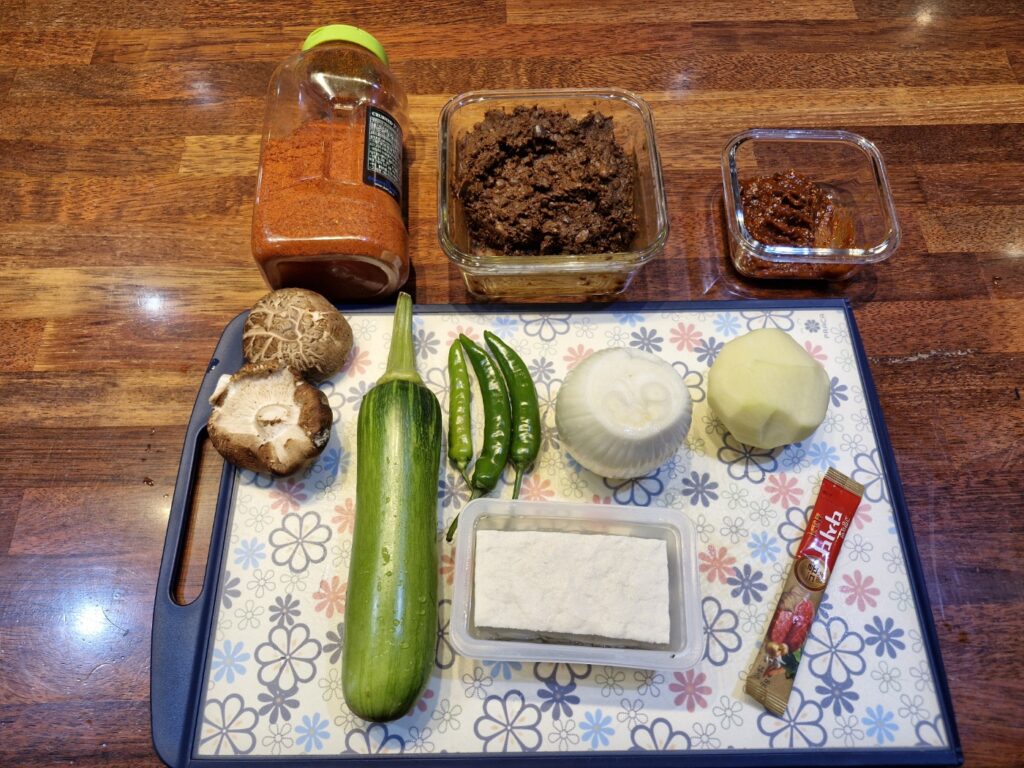
- Vegetables: 1 Medium Potato, 1 Onion, 2 Korean Green Chilies (for a subtle heat), and Green Onion.
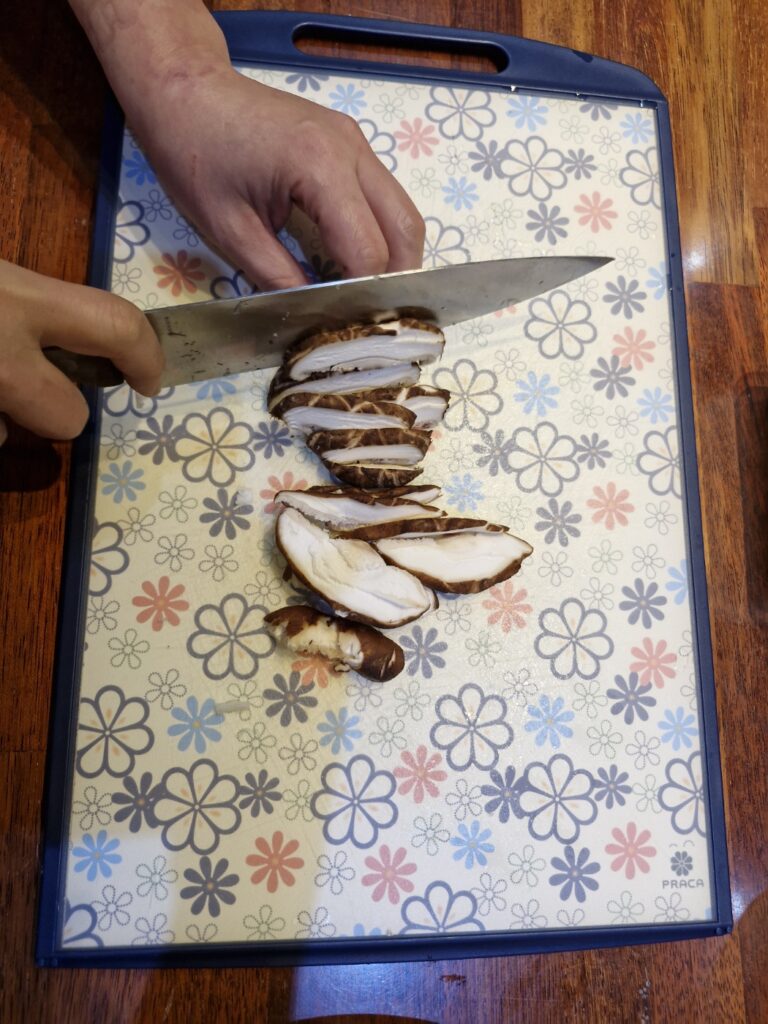
- Mushrooms (Optional): King oyster, button, or any edible mushrooms. They add a wonderful meaty texture and earthy aroma.
- Protein: 1/2 block of Firm Tofu.
- The Base: 2 tbsp Doenjang (Soybean Paste) and 1 tbsp Ssamjang (Seasoned Soybean Paste).
- The Seasoning: 1 tbsp Gochugaru (Red Chili Powder) and 1 tsp of an umami booster (Dashida, Yondu, or MSG).
- Water: 500-600ml (Rice water is highly recommended for a thicker broth).
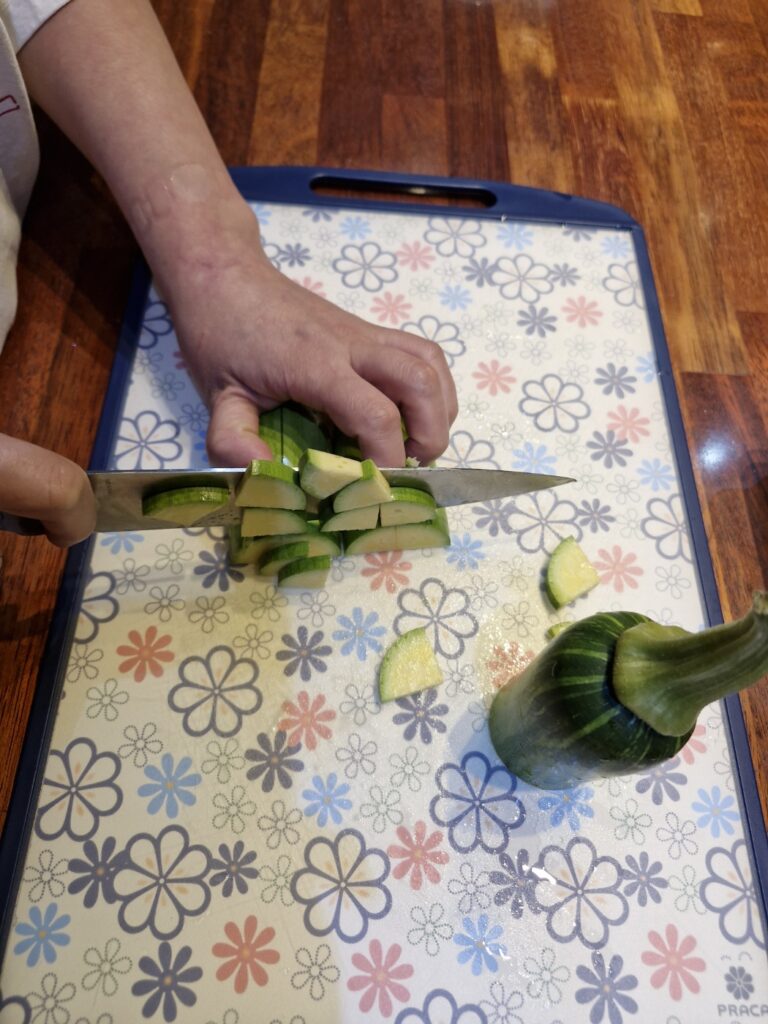
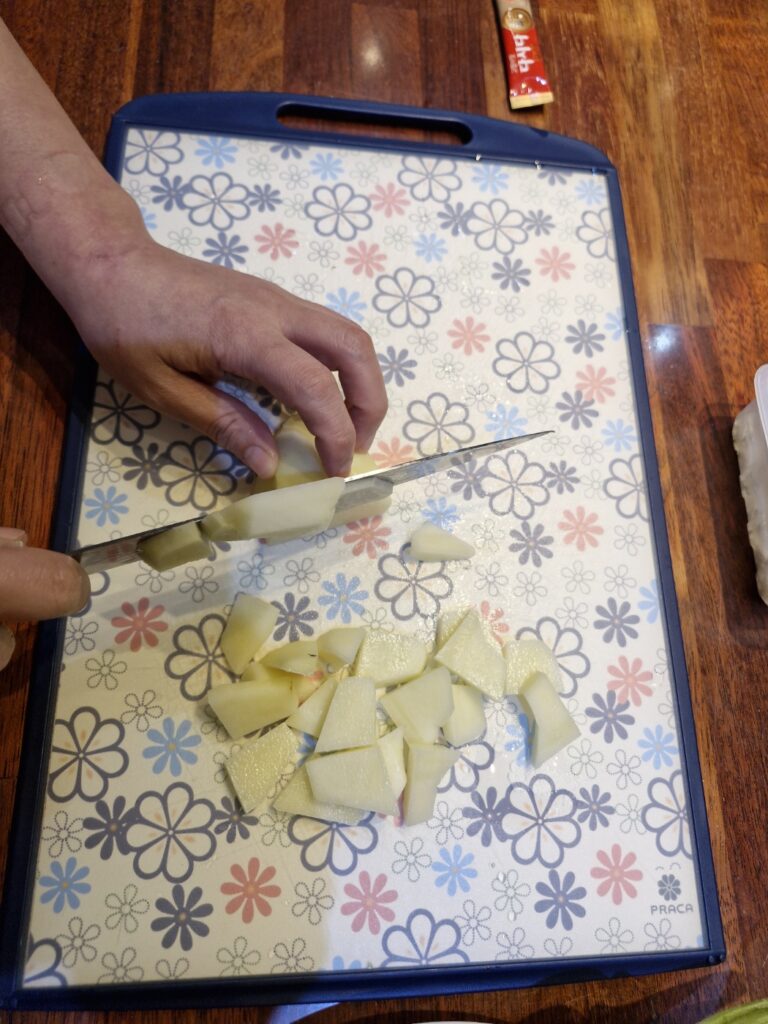
💡 Substitution Tip: If you don’t have a potato, use radish. It makes the broth lighter and more refreshing.
👨🍳 Step-by-Step Doenjang-jjigae Instructions
Step 1: Prep and Chop for Doenjang-jjigae
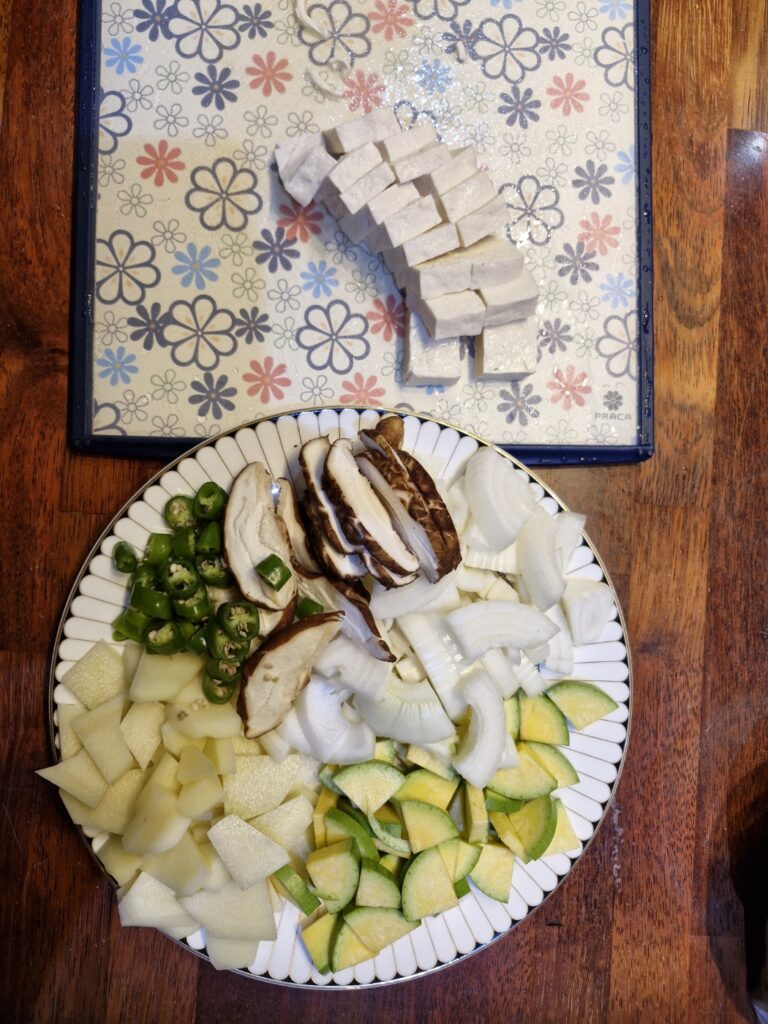
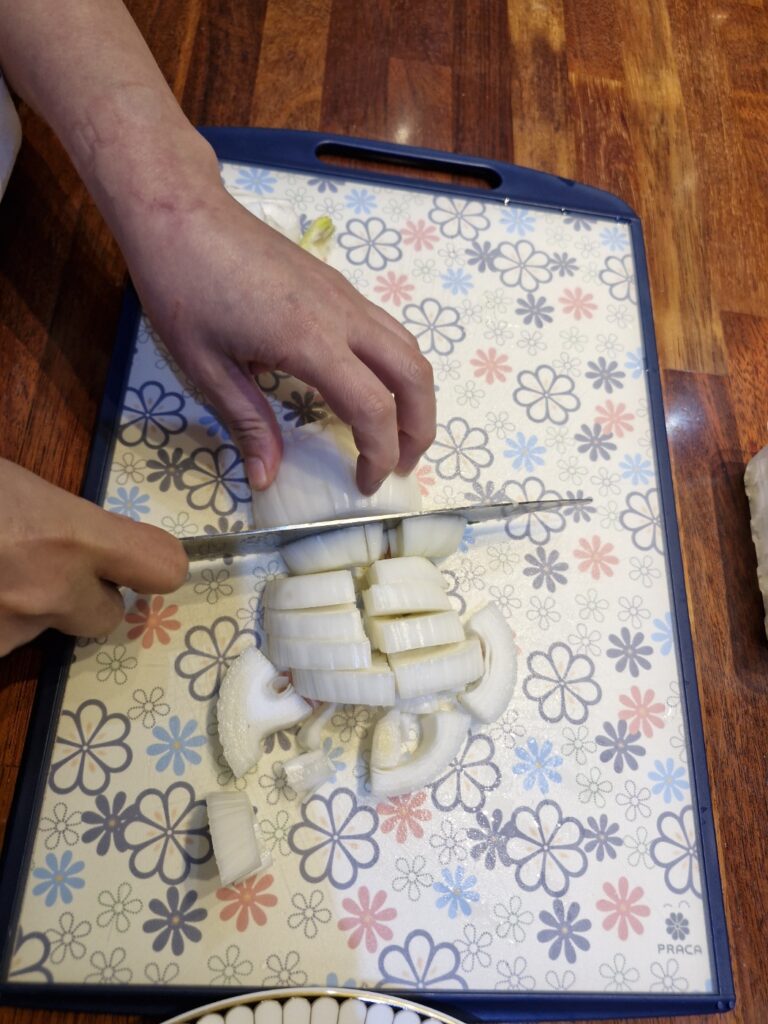
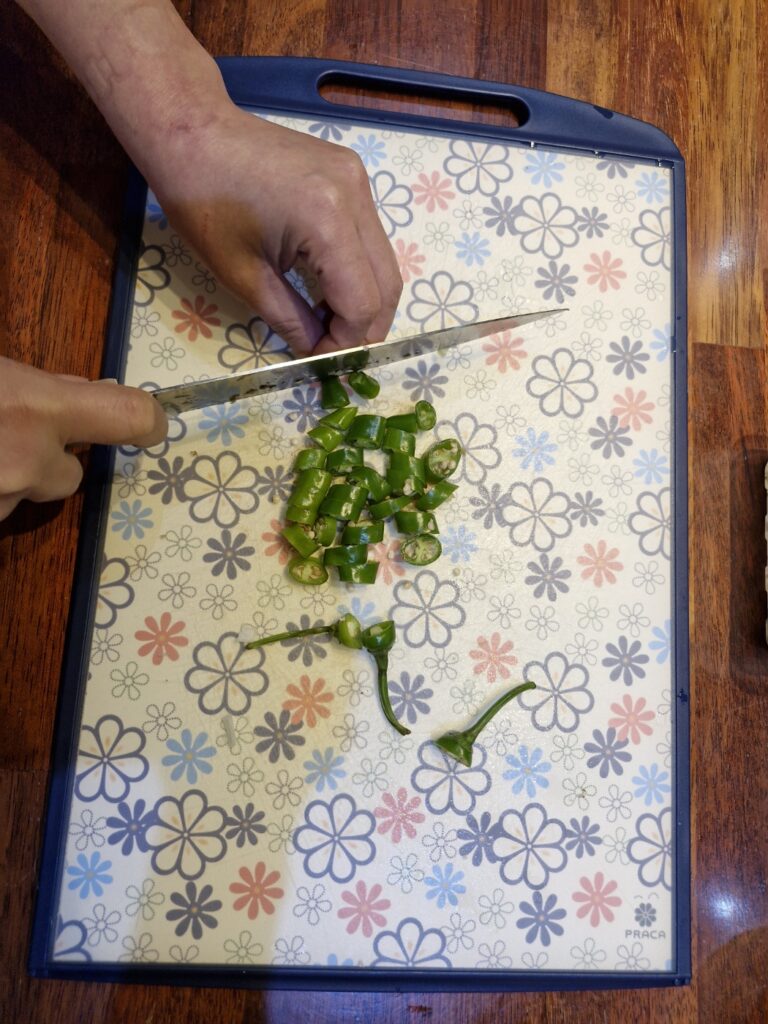
Before you start cooking, chop all the vegetables, mushrooms, and tofu into neat, bite-sized cubes. Consistency in size helps everything cook evenly and looks more professional.
Step 2: Roasting the Paste (The Secret Technique)
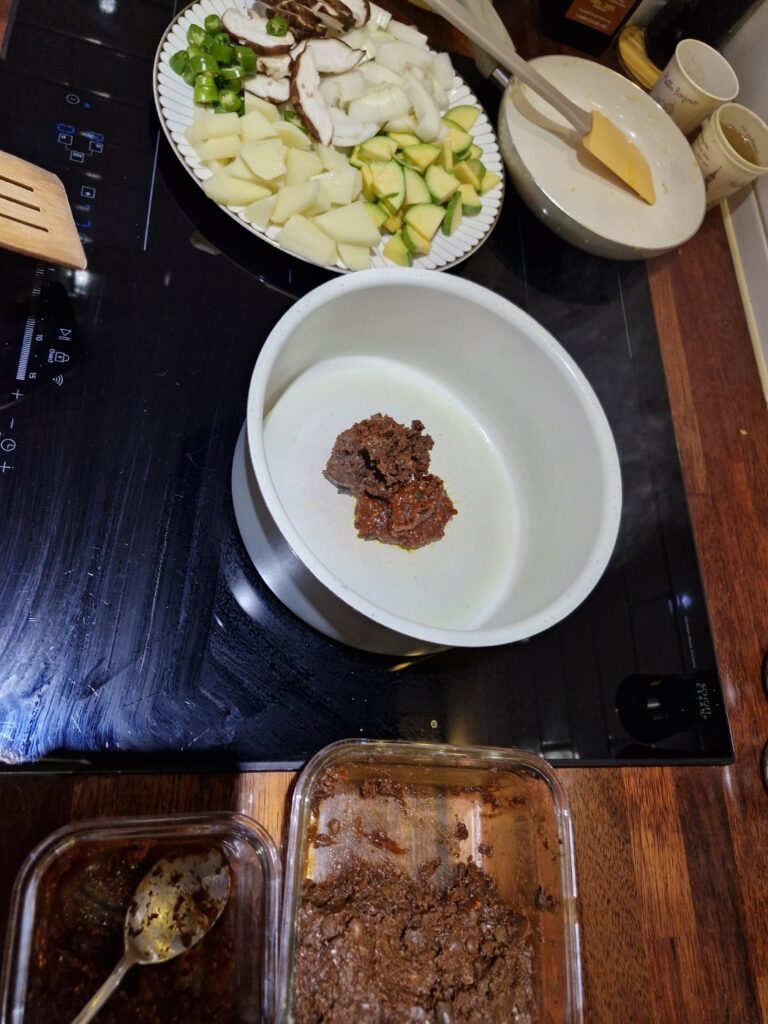
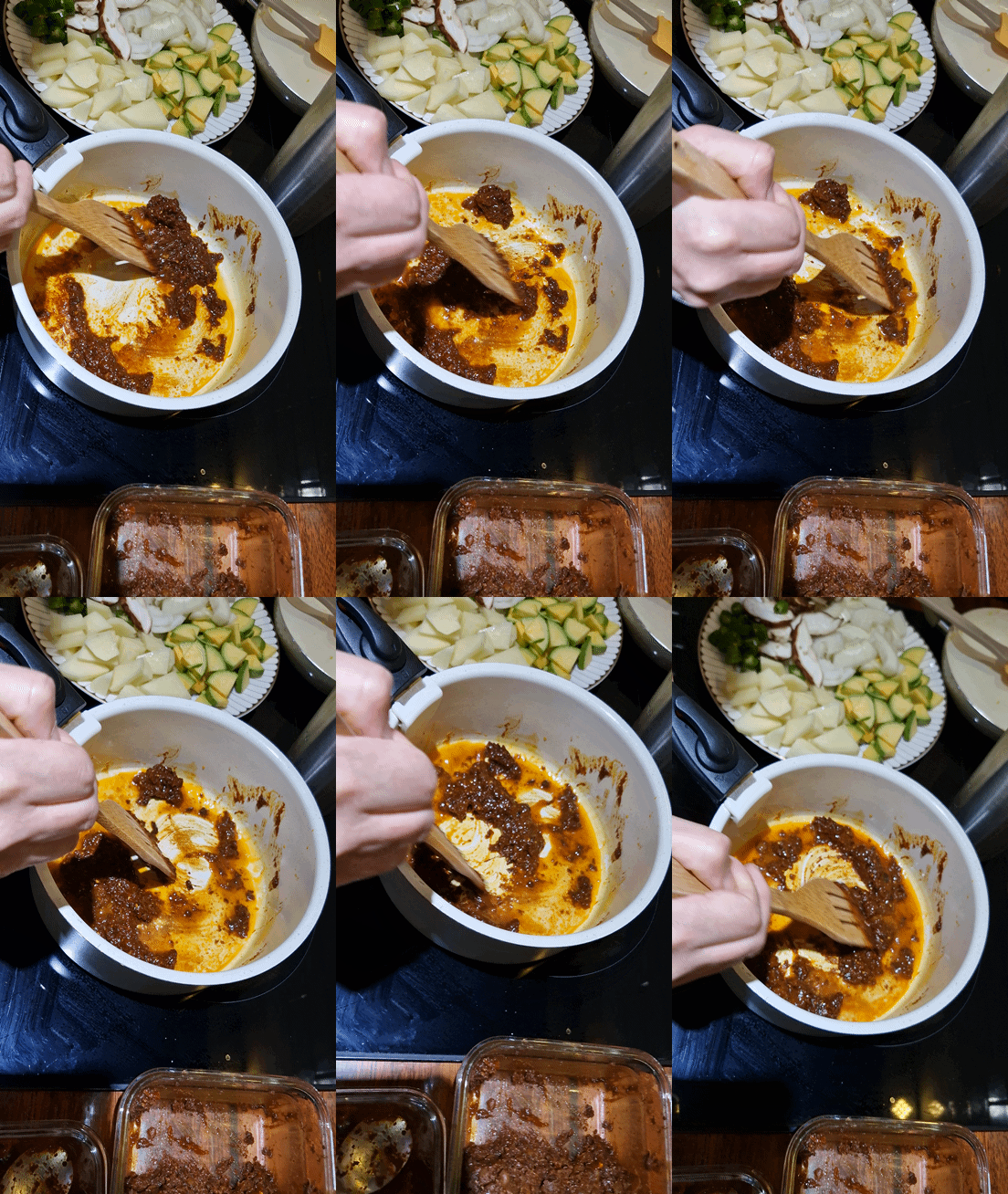
In a pot, add 1 tablespoon of cooking oil and stir-fry the Doenjang and Ssamjang over low heat for about 1 minute.
- Why? This step removes the raw, fermented smell and locks in a deeper, roasted flavor.
- If you prefer a very clean and light soup, you can skip the frying and dissolve the paste directly in boiling water.
Step 3: Building the Doenjang-jjigae Broth
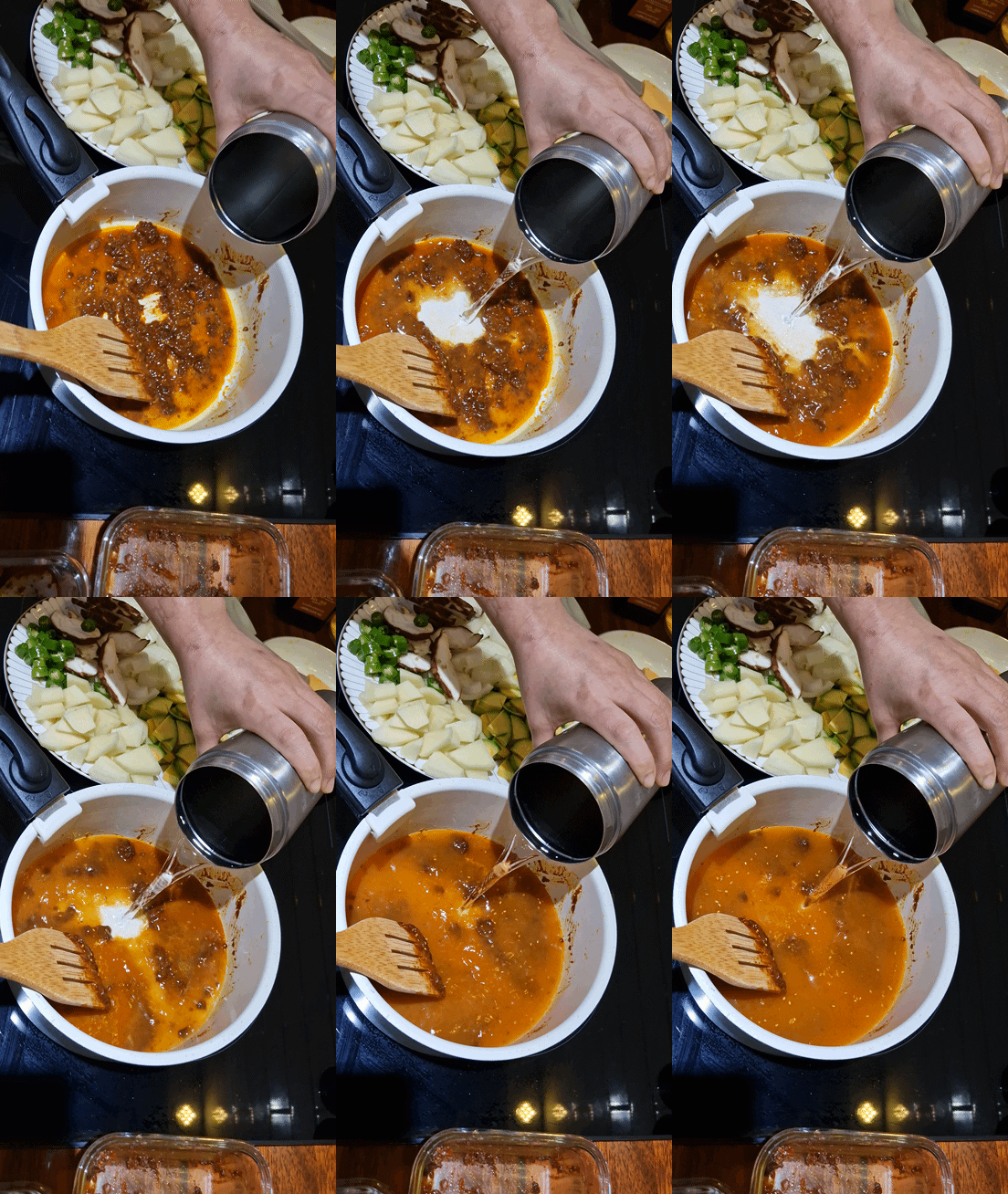
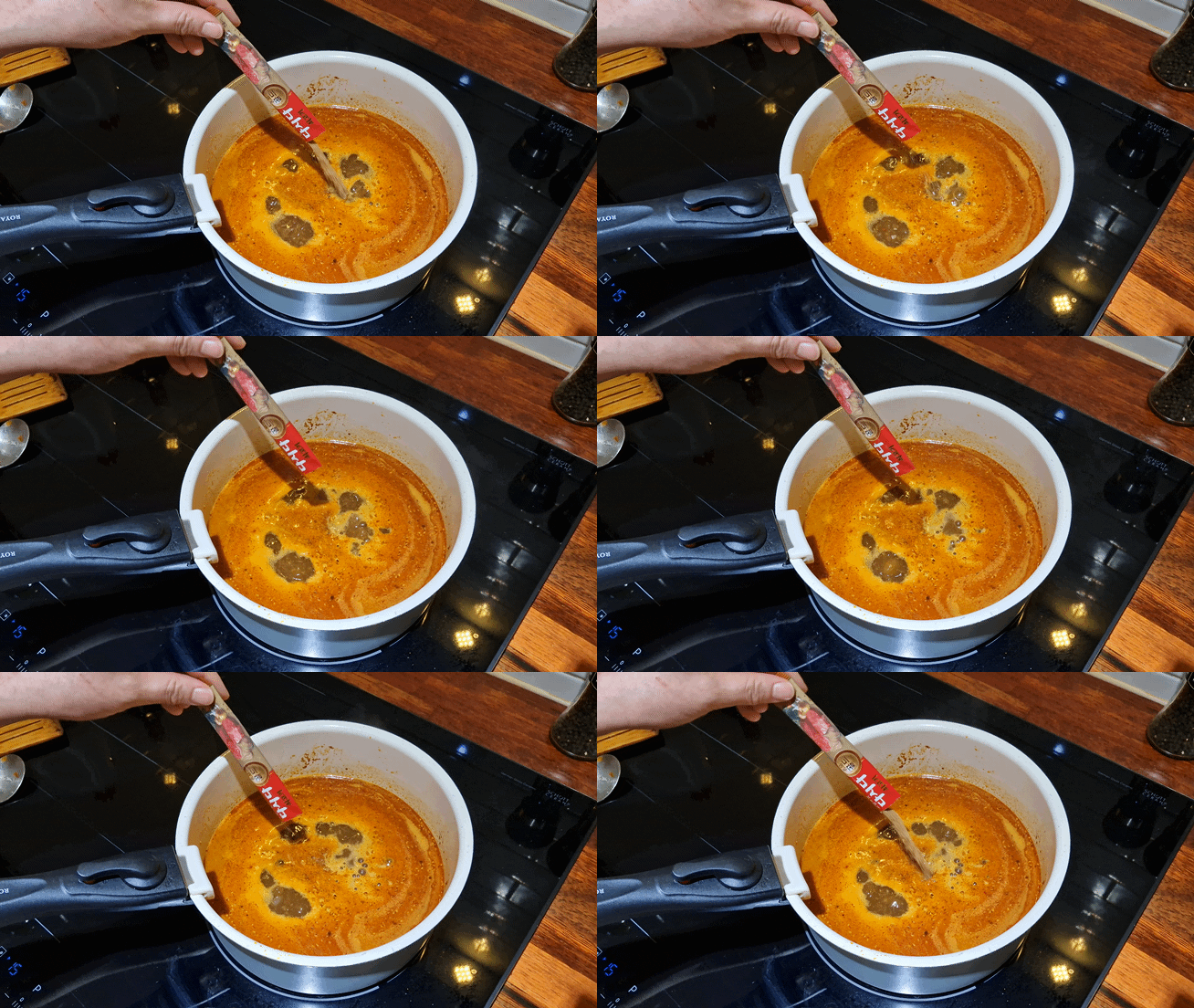
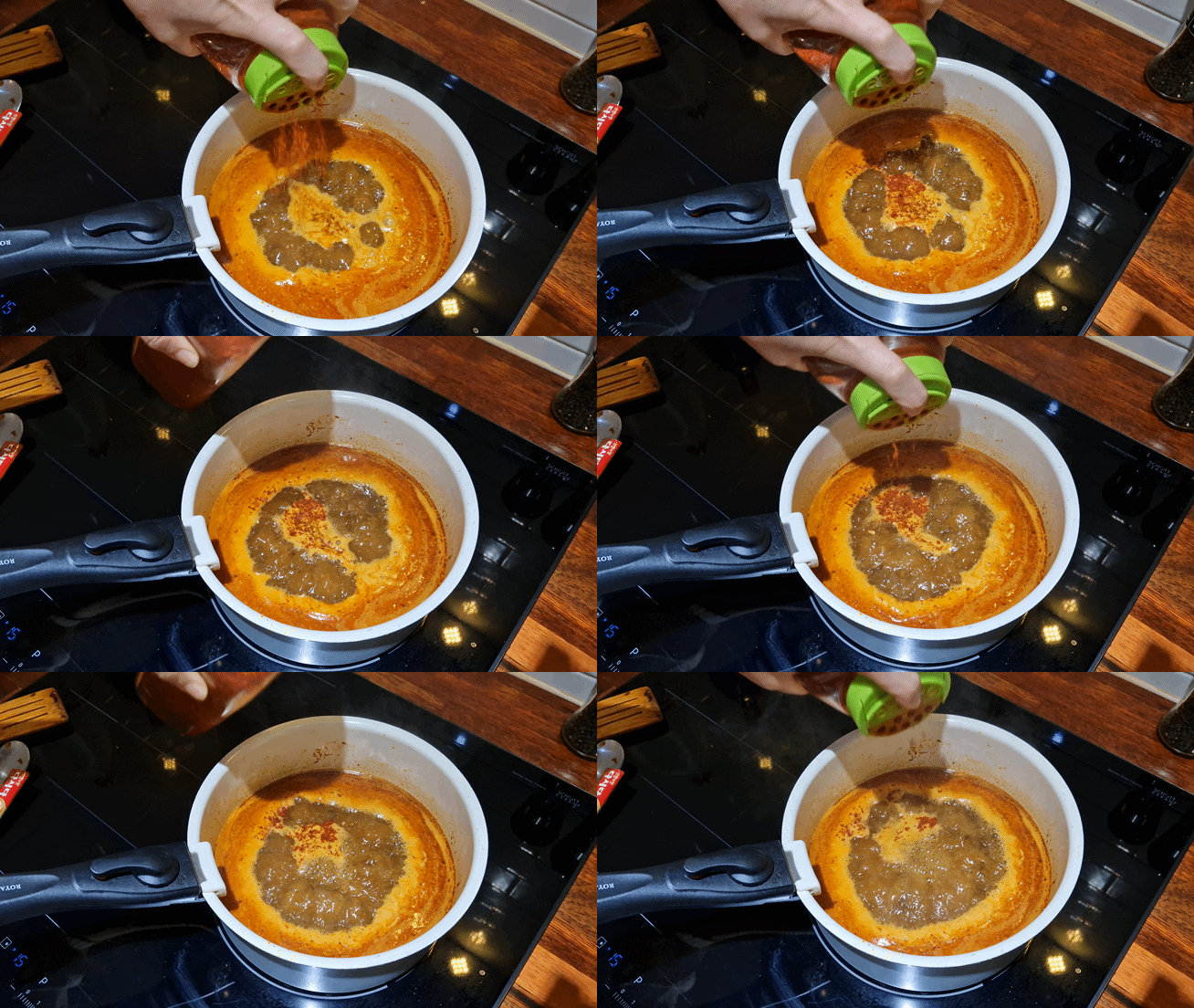
Add 600ml of water to the pot. Once it starts to boil, add the red chili powder and your choice of umami seasoning.
Step 4: Simmering the Doenjang-jjigae Ingredients
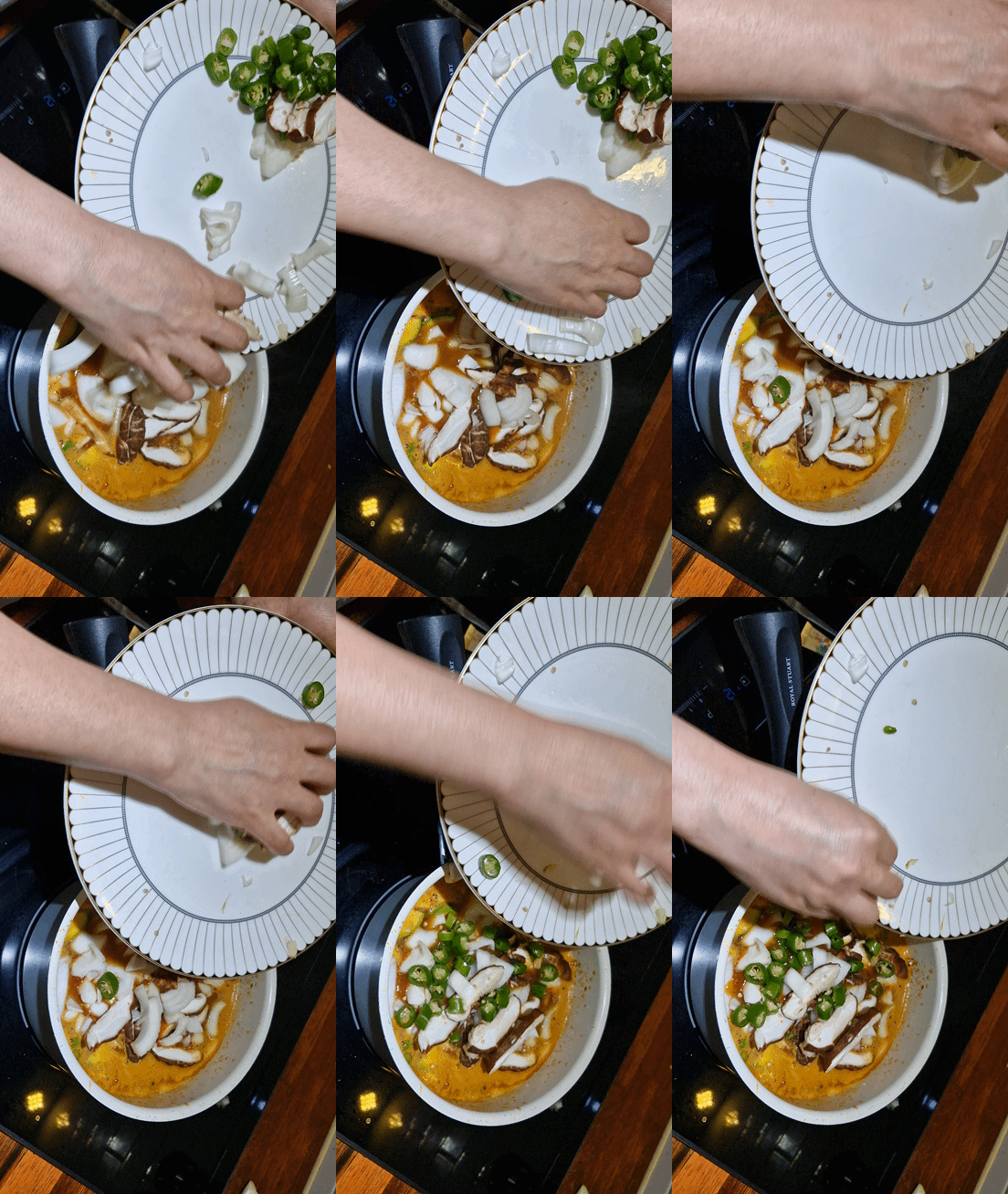
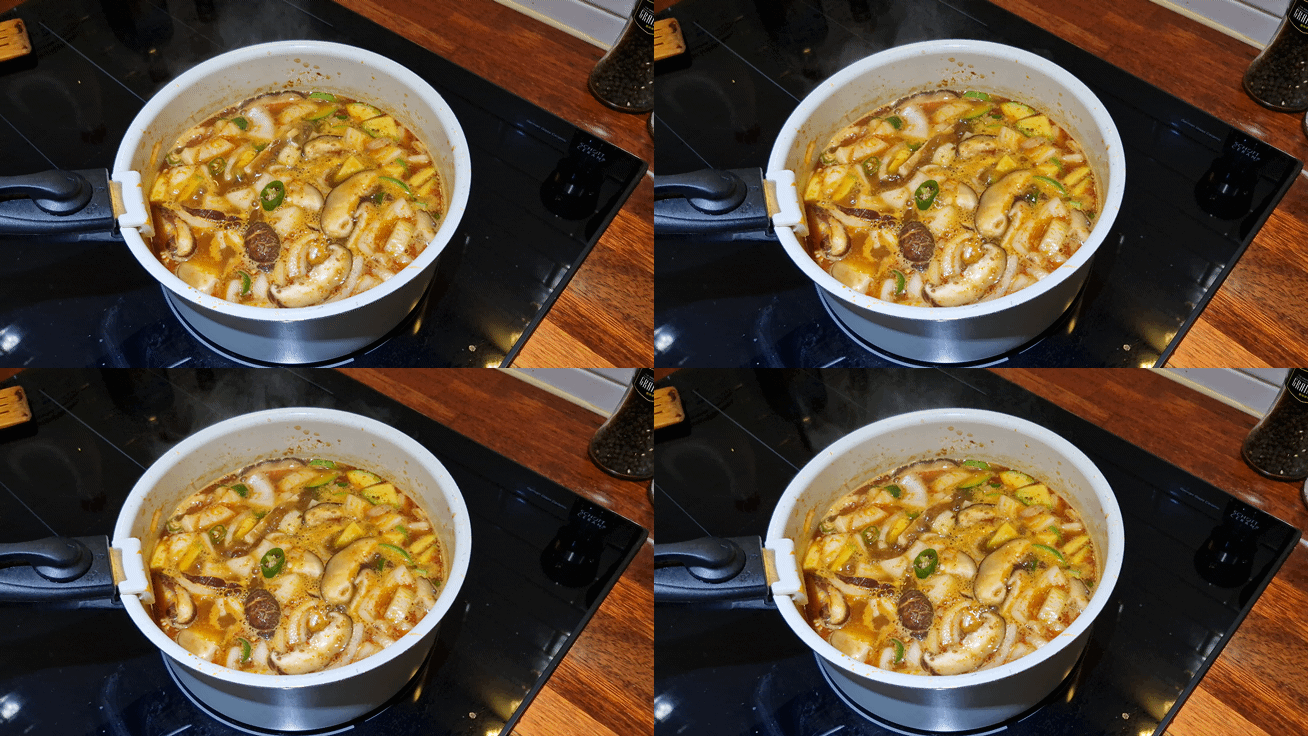
Add all the chopped vegetables and mushrooms except for the tofu. Let it simmer for about 10 minutes. You’ll know it’s ready when the potatoes are soft enough to be pierced with a fork.
💡 Chef’s Choice: Don’t skip the mushrooms if you have them! Their natural juices make the broth even more savory and complex.
Step 5: The Finishing Touch
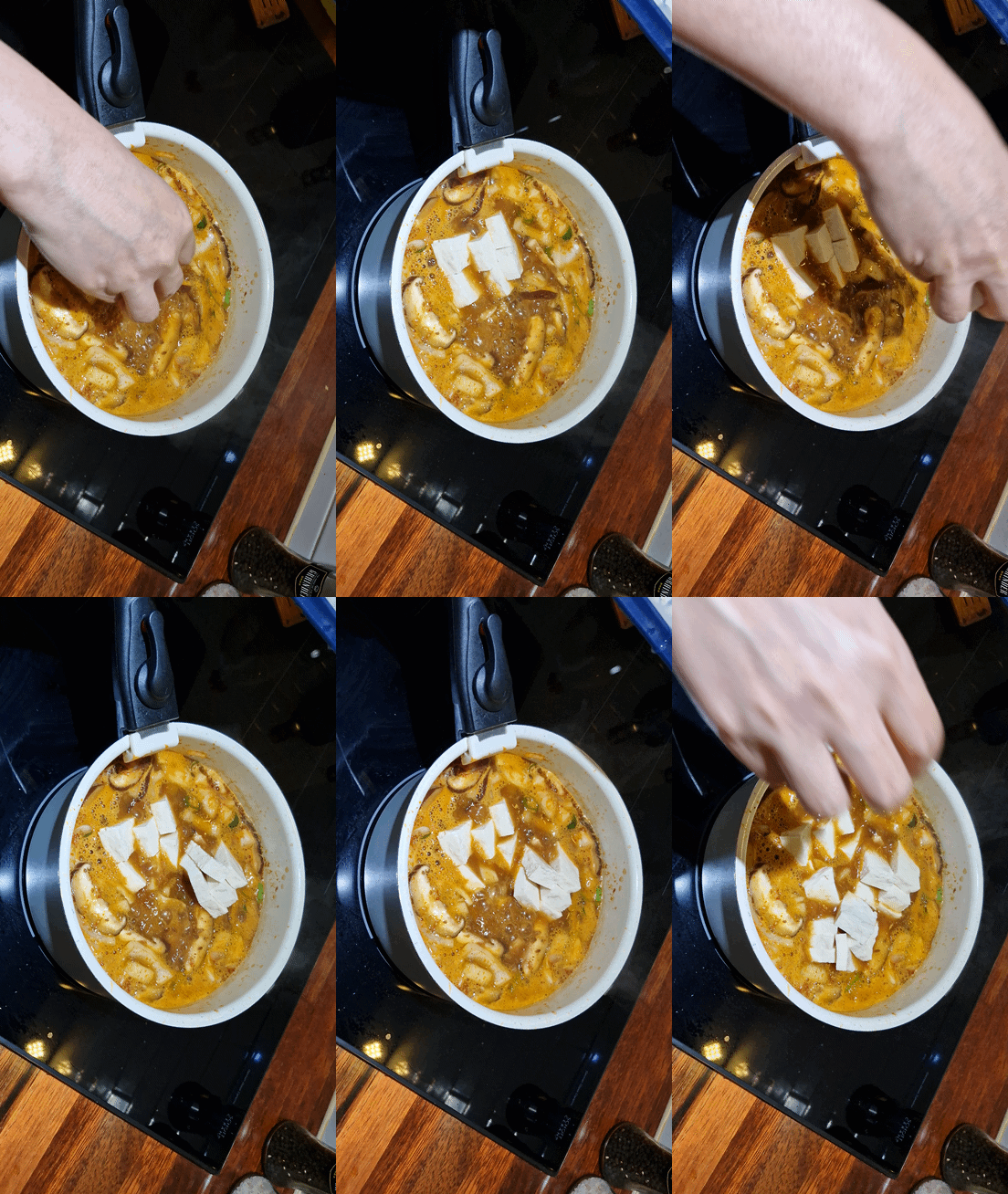
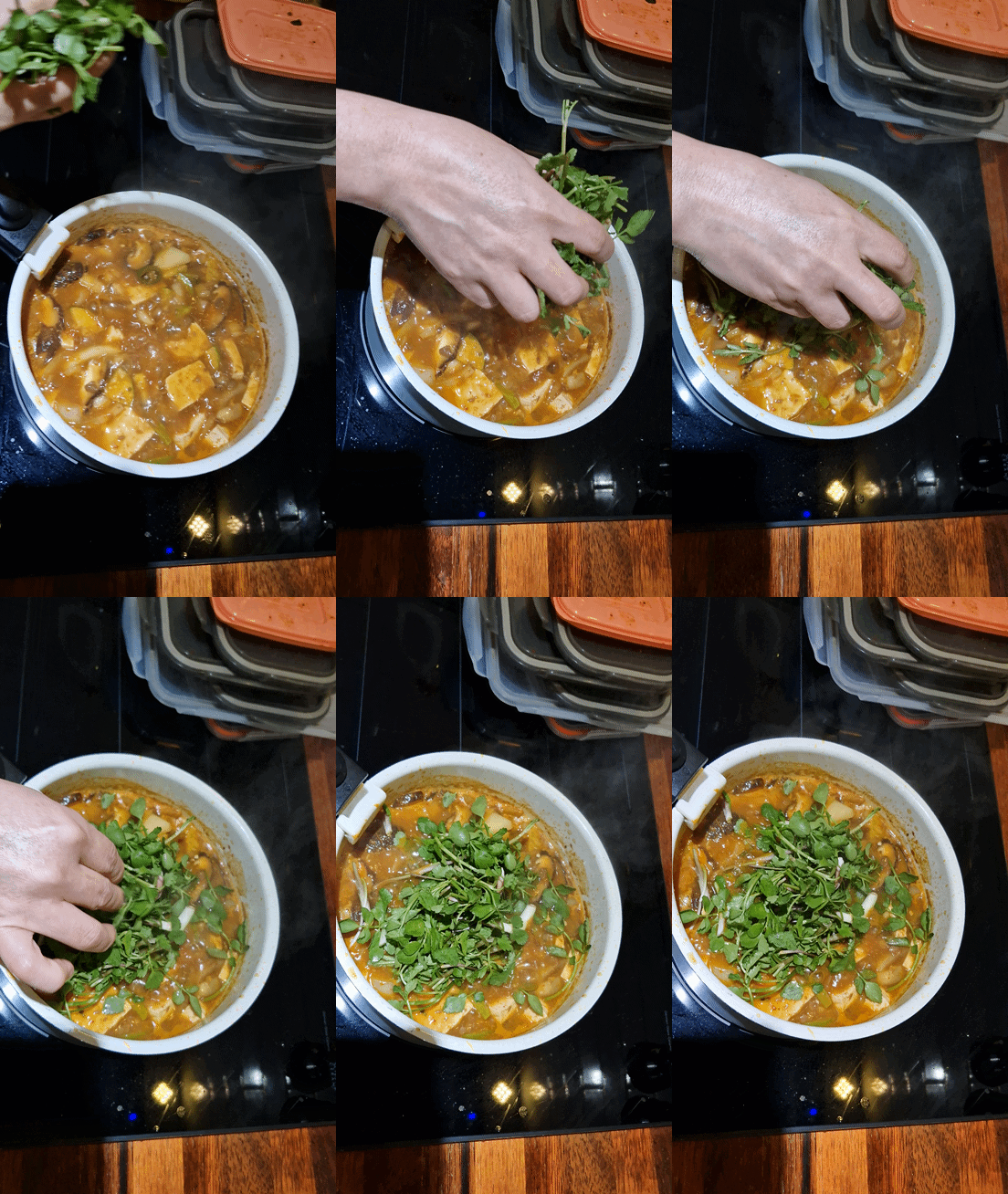
Finally, add the tofu and simmer for another 3 minutes. Tofu acts like a sponge, quickly absorbing the savory broth. For a professional finishing touch, add some ‘Minari‘ (Korean water parsley) at the very end. It adds an extra layer of fresh, herbal aroma that elevates the entire dish.
🔥 The Ultimate BBQ Combination: Stew + Meat + Rice
No matter what kind of BBQ you’re enjoying—whether it’s American brisket, Brazilian steak, or simple grilled pork—pairing it with Doenjang-jjigae will take your meal to the next level.
The savory, earthy notes of the soybean paste perfectly cut through the richness of the meat, acting as a natural palate cleanser. For the ultimate “Korean Soul Food” experience, try eating it with a bowl of steamed white rice. Spoon the hot stew over your rice, mix it with a piece of grilled meat, and you’ll discover a “heavenly combination” of flavors you’ve never experienced before.
🍶 Drink Pairing: What to Sip with Doenjang-jjigae?
To complete the experience, you need the right drink. Hands down, the best pairing is Korean Soju. Its clean, crisp taste perfectly balances the savory richness of the stew.
If you can’t find Soju, go for high-proof clear spirits like Vodka or Chinese Baijiu (Kaoliang Liquor). These strong, clear liquors complement the deep umami of the soybean paste surprisingly well. However, I’d recommend skipping Wine or Whisky—their complex oaky or fruity notes often clash with the strong, fermented flavors of the Doenjang.
🇰🇷 The Heritage of Doenjang
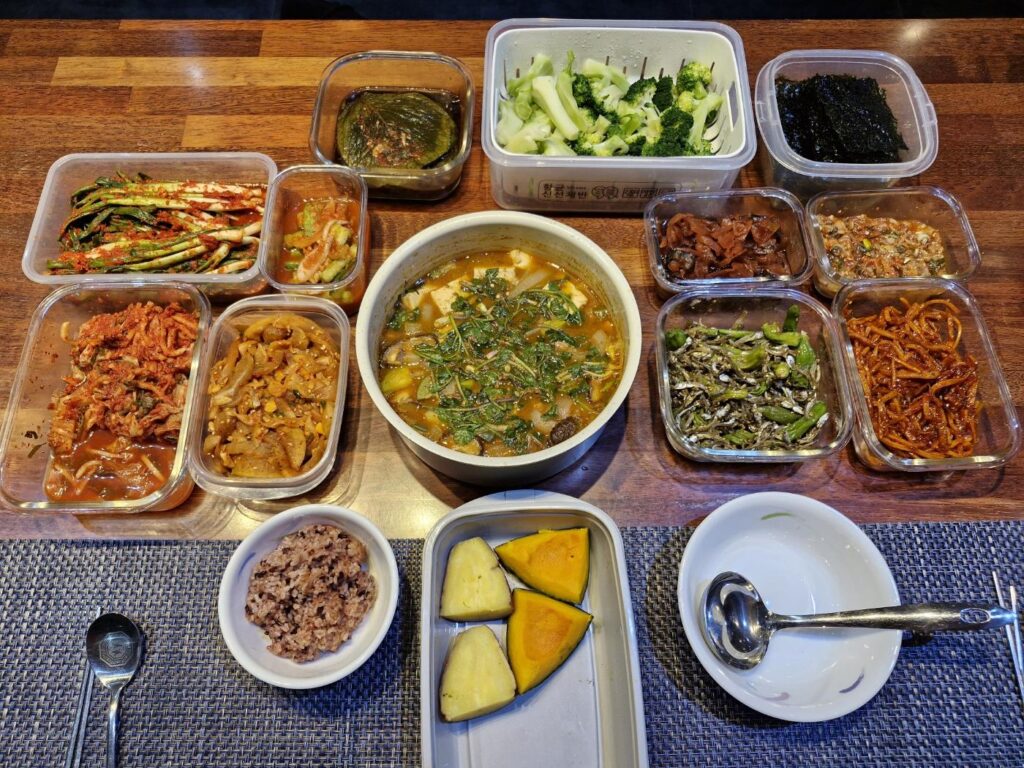
Every Korean household has its own secret. Some add clams or shrimp for a “seaside” freshness, while others add beef brisket (Chadol-bagi) for a rich, heavy finish.
While my family still ferments our own Doenjang at home—a traditional process that takes months—you don’t have to. 99% of Koreans today use high-quality store-bought paste. By mixing Doenjang with a bit of Ssamjang as shown in this recipe, you can achieve that professional restaurant-quality taste anywhere in the world.
I hope you enjoy this Doenjang-jjigae. If you loved this comforting stew, you shouldn’t miss out on its spicy companion. 👉 [Check out my Authentic Kimchi-jjigae recipe!]