Fire bricks, refractory materials, and a real backyard build in rural Paju
Introduction — A Backyard Pizza Oven Is Still Unusual in Korea
A backyard pizza oven is not something you see very often in Korea. Most people live in apartments, and even in houses, a wood-fired oven is rarely part of daily life.
I live in the countryside of Paju with my dogs, and I decided to try building one anyway. What started as a simple DIY idea turned into a month of trial and error. My first attempt failed completely. My second attempt, built from the ground up with better materials, still works today.
I am not a professional builder. I approached this as a homeowner learning by doing. That is exactly why I wanted to write this in a practical way, with real materials, real mistakes, and real lessons.

Rural backyard wood-fired pizza oven in Paju, Korea
Why My First DIY Pizza Oven Failed
Perlite and Cement Looked Fine, But They Were Not Enough
My first attempt used perlite and cement. I shaped it with a gym ball and let it dry for about a week. From the outside, it looked like it might work.
It did not.
The moment I tried to lift it, the structure broke apart. Not from heat. Not from use. Just from movement.
That was the first lesson: a pizza oven is not just about shape. It has to survive weight, handling, and repeated high temperatures.
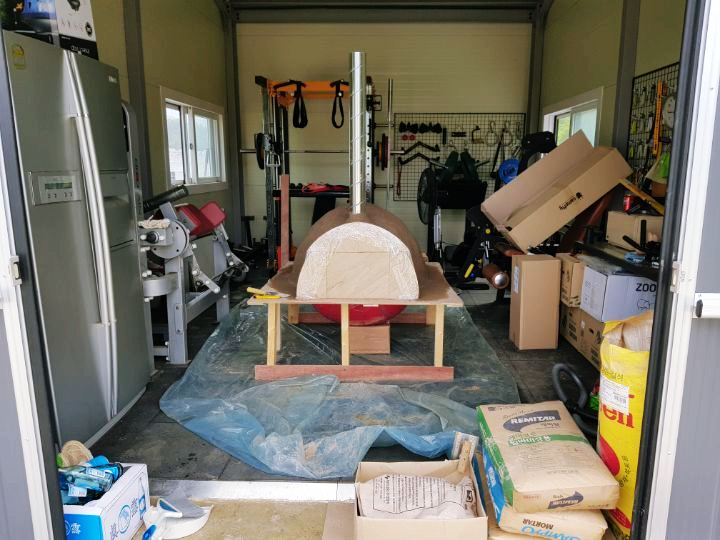
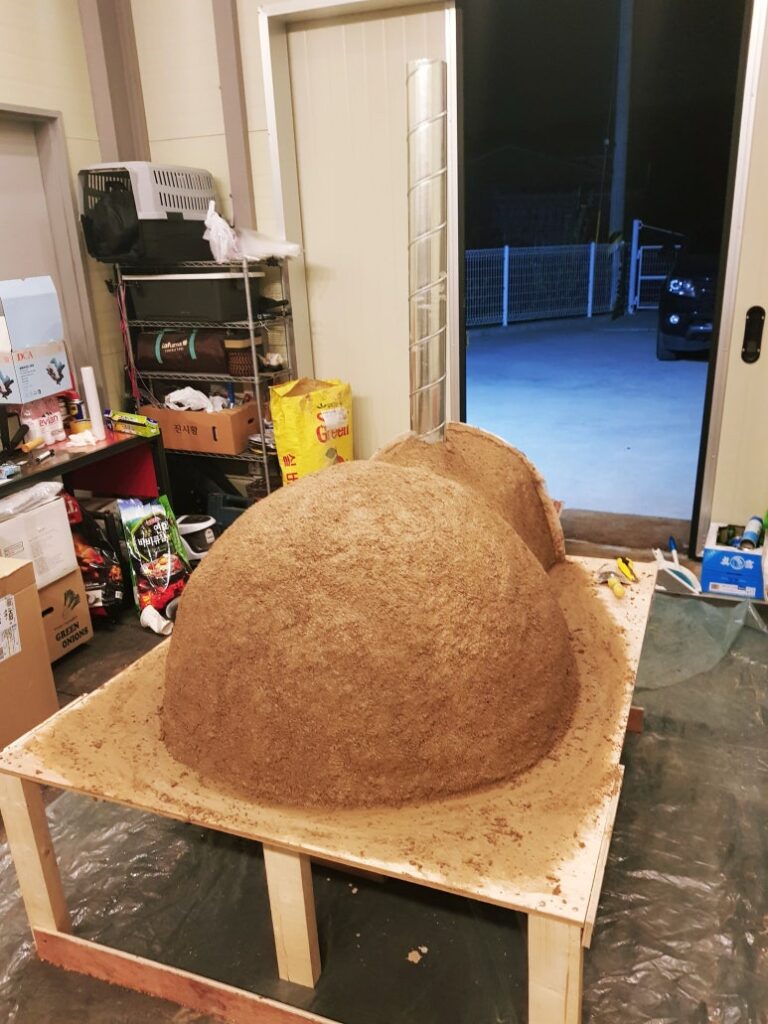
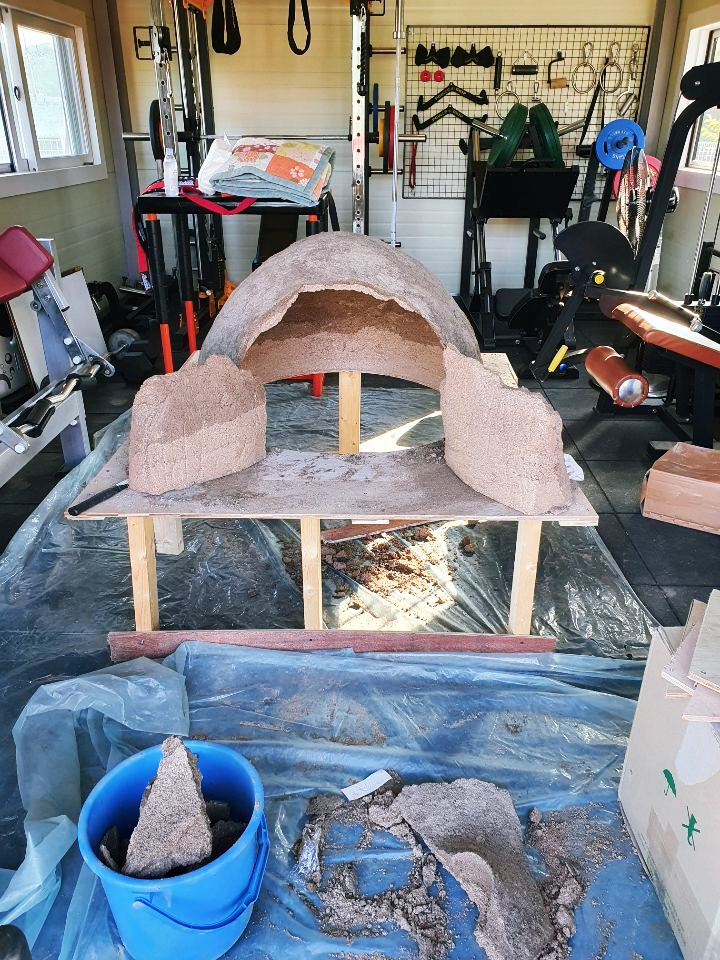
The first perlite-based oven collapsed before it could ever be used
Why That Failure Mattered
Regular cement and ordinary aggregates are not designed for this kind of structure. High heat creates expansion, and weak materials eventually crack or break. In other words, the problem was not appearance. The problem was physics.
Why Fire Bricks and Refractory Materials Actually Work
Fire Bricks Are Built for Heat, Not Just Shape
For the second attempt, I changed the materials completely.
Fire bricks are different from regular bricks because they are designed to handle repeated high temperatures. They also retain heat better, which matters just as much as strength. In a wood-fired oven, that stored heat is what helps the oven cook pizza quickly and evenly.
What Refractory Materials Do
I also used castable refractory and refractory mortar. These materials are made for high-heat environments.
- Castable refractory acts like a heat-resistant structural layer.
- Refractory mortar helps hold the bricks together without failing under heat.
- Insulation keeps the heat inside the dome instead of letting it escape too quickly.
A pizza oven works because it stores heat, not because it simply gets hot. That is the real difference between a decorative build and a functional oven.
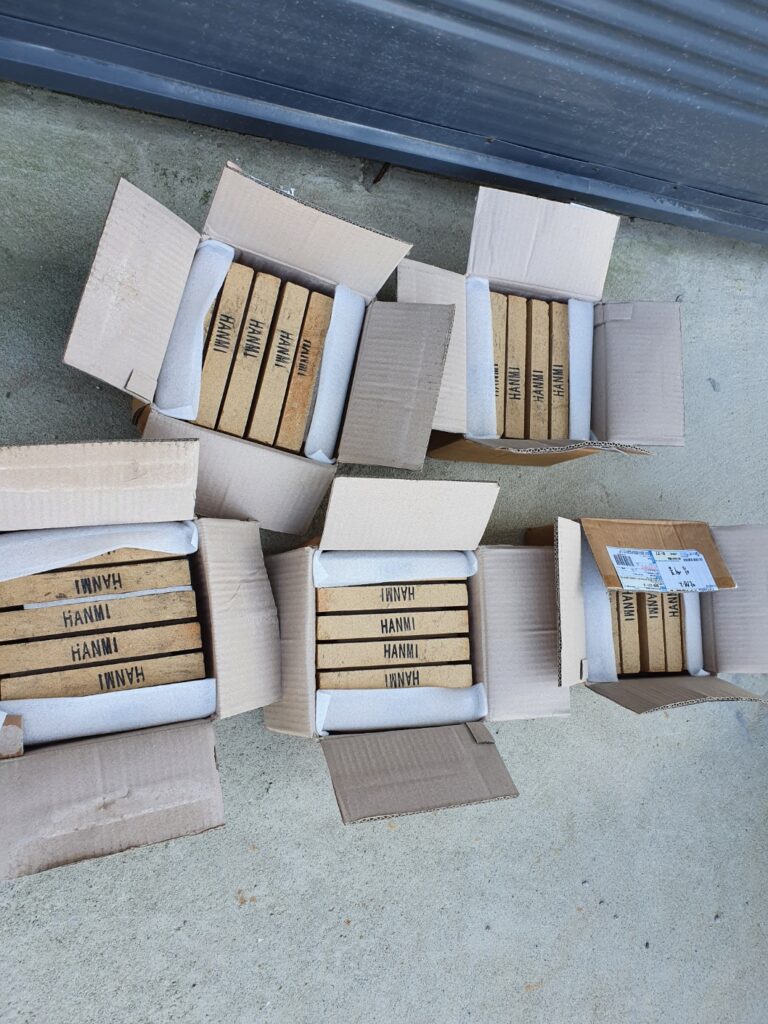
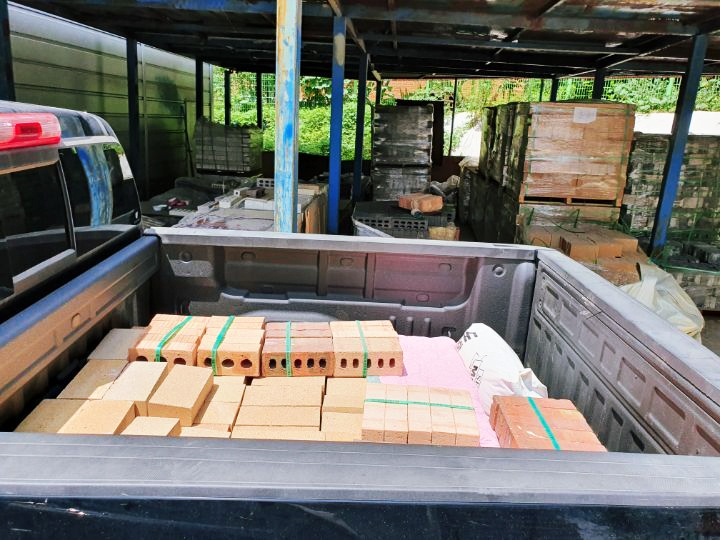
Fire bricks and refractory materials used for the oven build
How I Built the Oven Step by Step
Step 1 — Foundation First
Foundation is everything.
A pizza oven is heavier than it looks, so the base has to be level and stable before anything else can work. I used concrete blocks and a stone slab for the lower structure, and I spent a long time checking the level carefully.
If the base is off, the dome above it will never behave properly. That is why this part matters more than it looks.
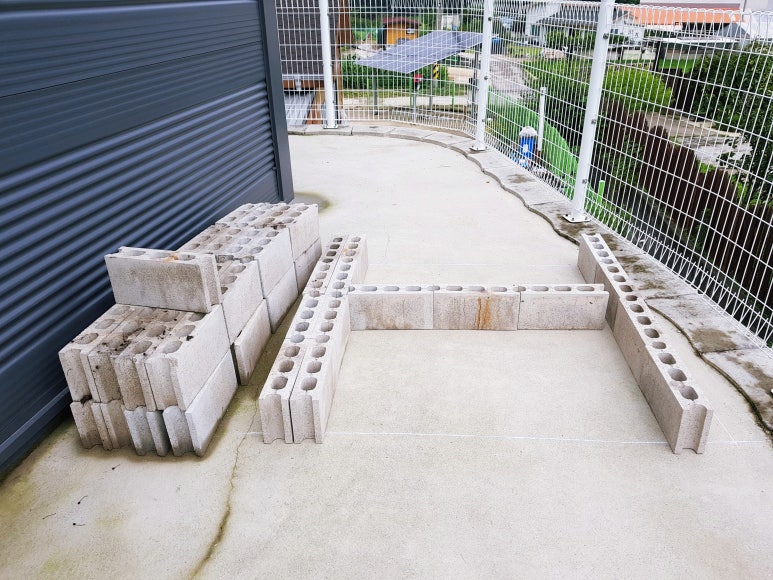
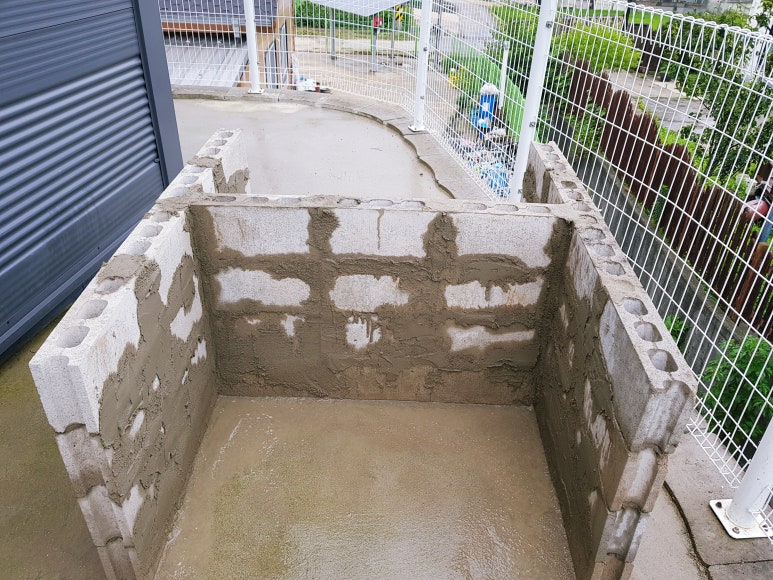
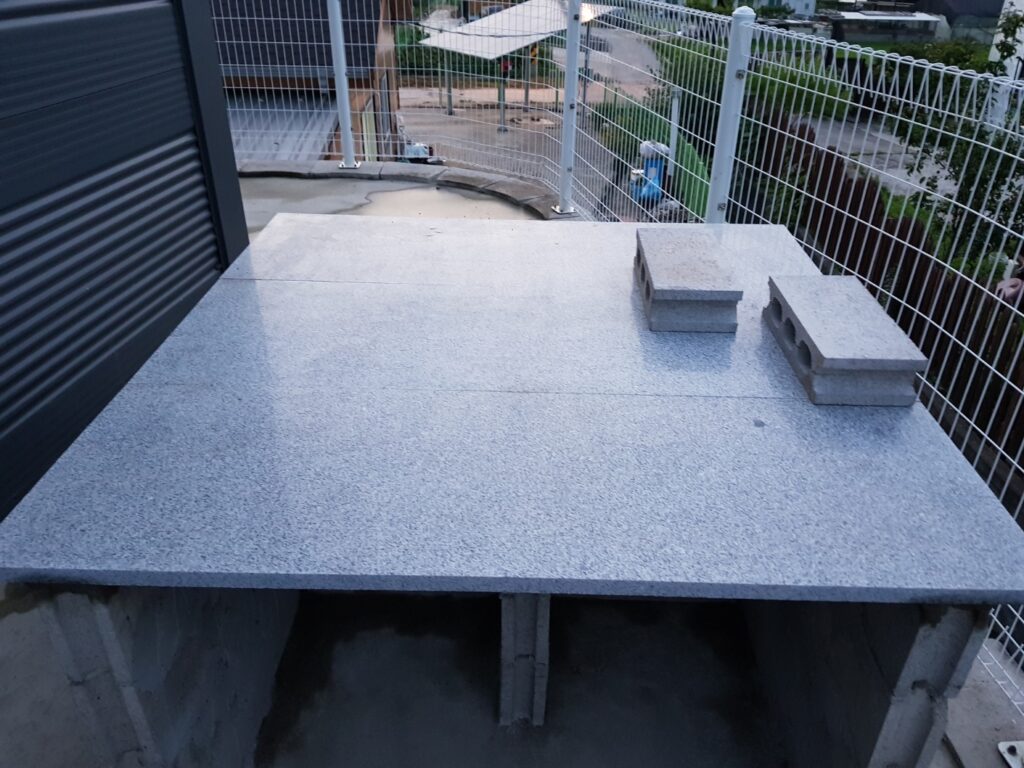
Leveling the base before starting the dome
Step 2 — Building the Dome
This was the hardest part.
Each fire brick had to be cut and placed at the correct angle. Even a small mistake could affect the shape of the entire dome. I worked on it after work, usually for two to three hours a day. Some days felt slow. Some days felt frustrating. But the shape gradually came together.
That is the part people often do not see. The oven may look simple when it is finished, but the dome is slow work.
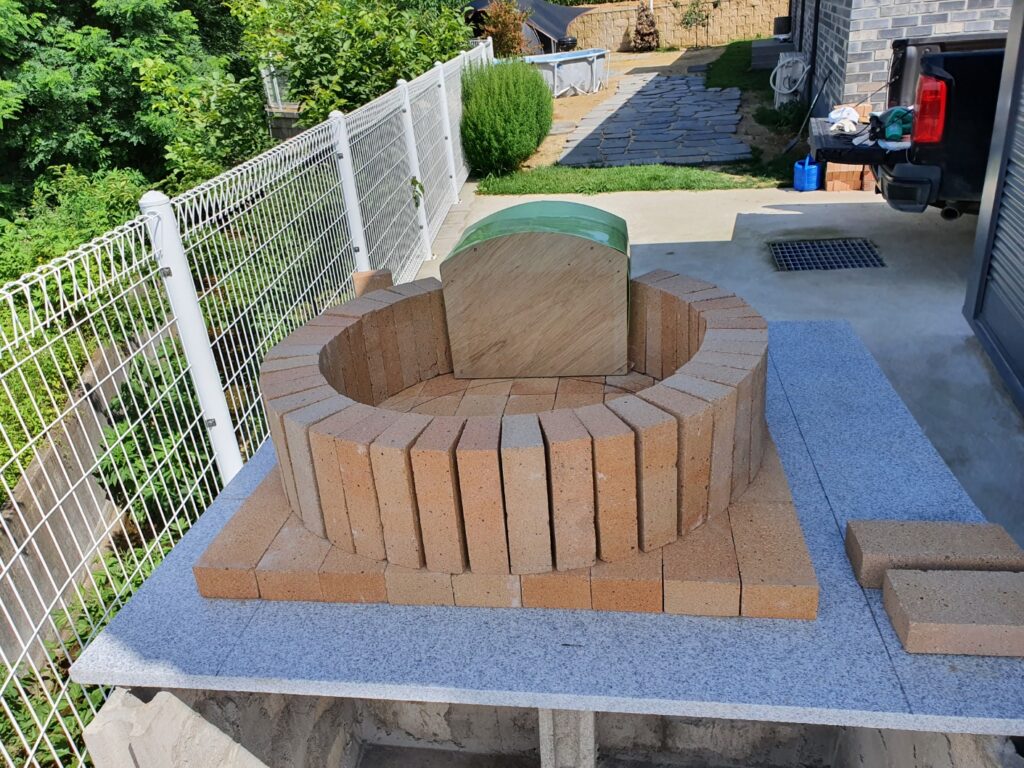
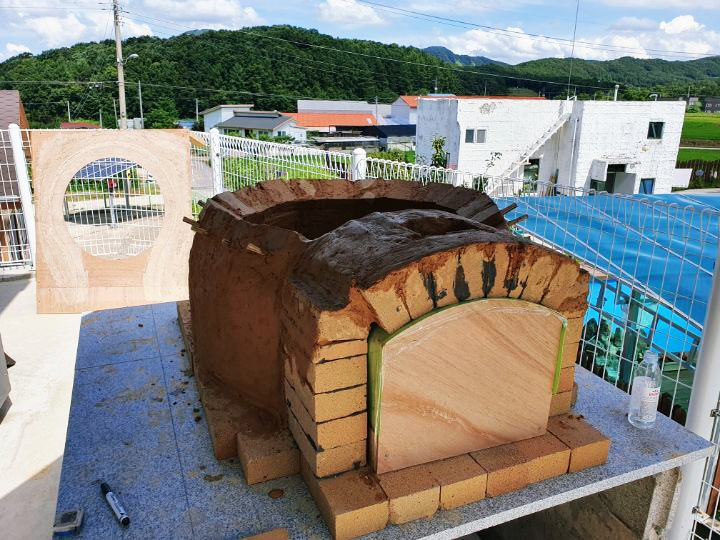
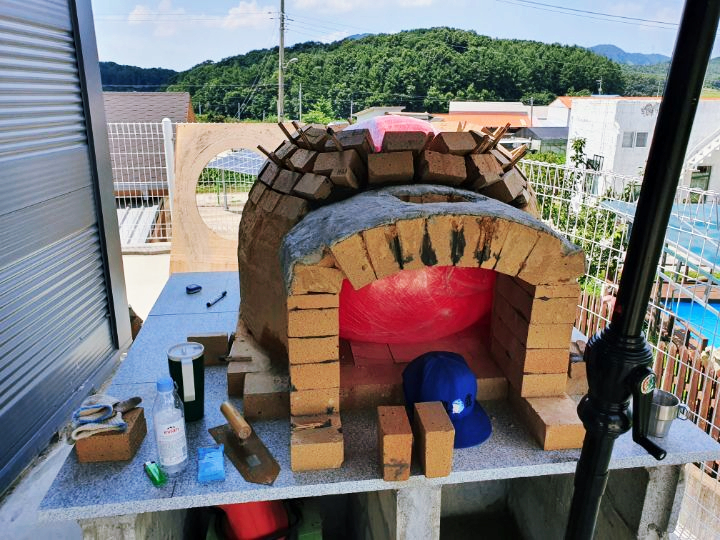
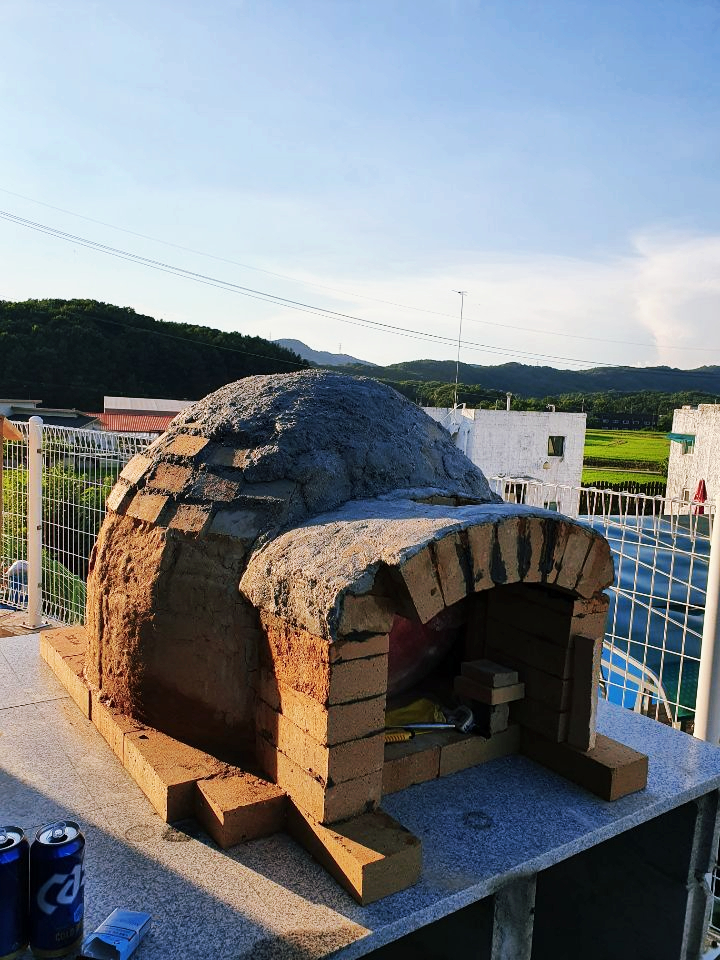
The dome structure taking shape brick by brick
Step 3 — Insulation for Heat Retention
Foundation and dome are important, but insulation is what makes the oven useful.
I wrapped the dome with fiberglass insulation and covered it with mesh before applying the outer layer. This helps trap heat inside the oven instead of losing it too quickly.
That matters because a wood-fired pizza oven is not just about making flames. It is about heat retention. The goal is to keep enough thermal energy in the dome so the oven can reach around 400–450°C and cook pizza quickly.
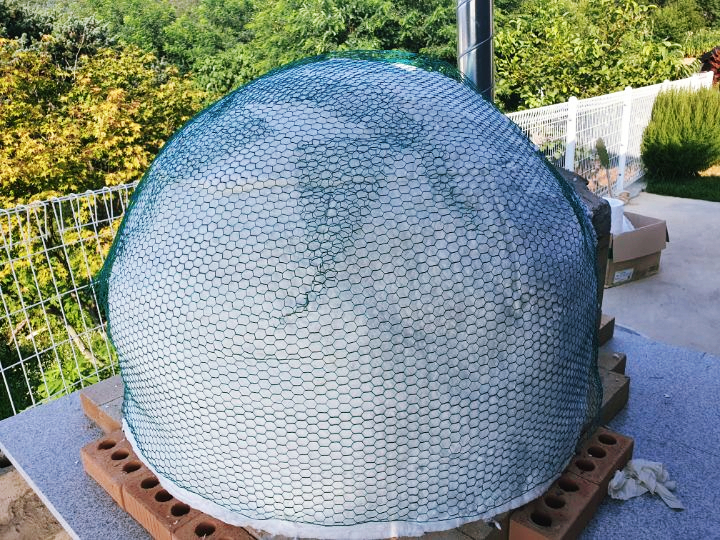
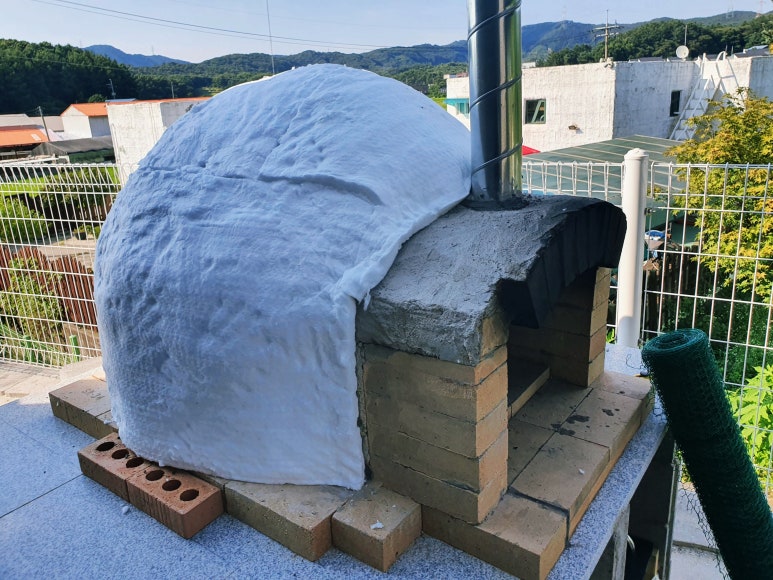
Insulation layer added to improve heat retention
Step 4 — Finishing and Chimney Installation
The last step was the finish.
I applied heat-resistant exterior coating and installed a chimney. At that point, it finally looked like a proper oven rather than a construction project.
The chimney also helps with airflow and smoke control, which makes the oven easier to use in a backyard setting.
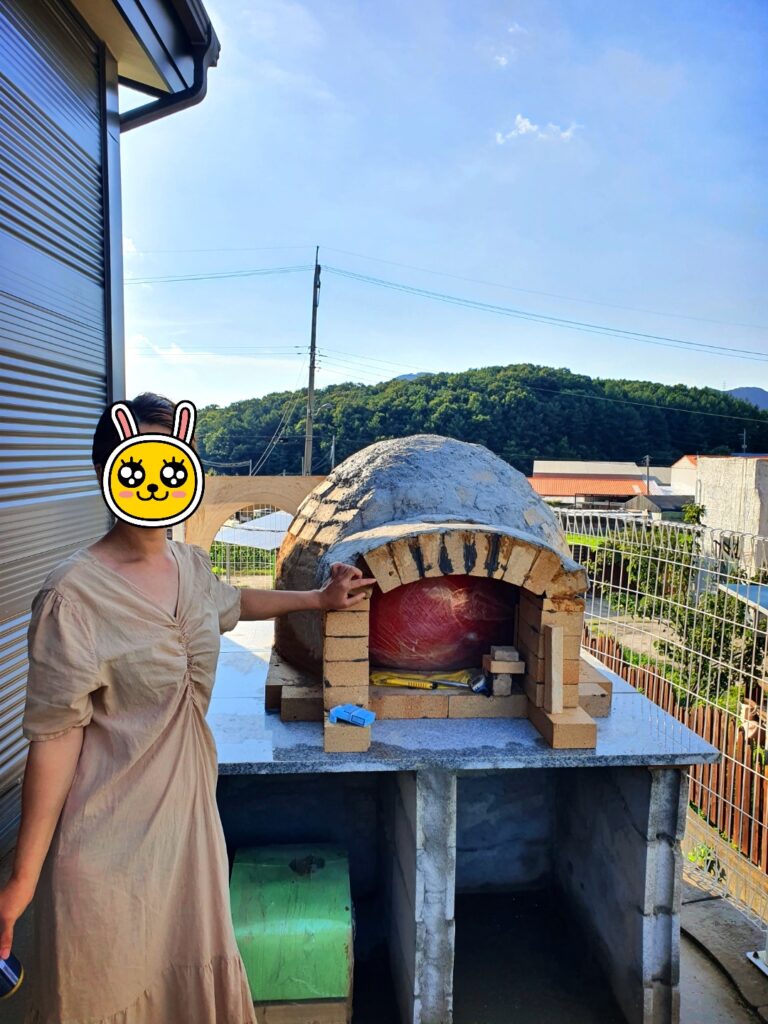
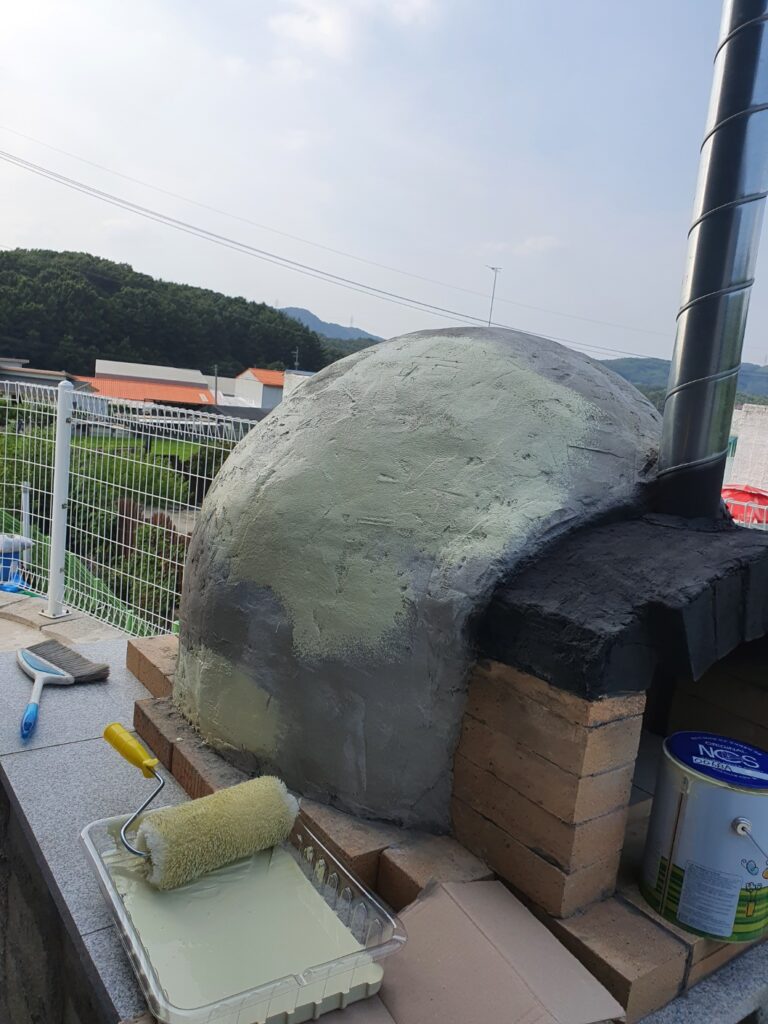
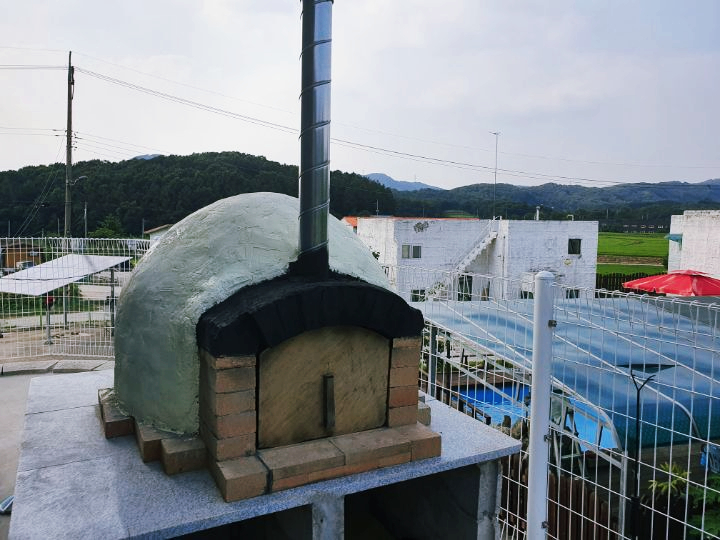
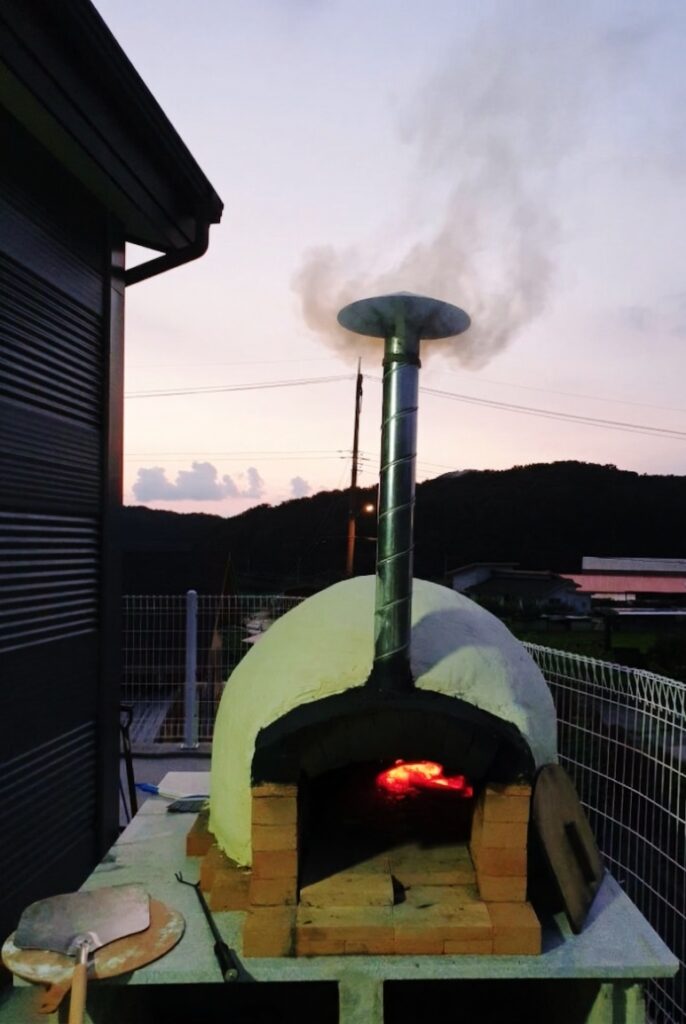
Final finishing and chimney installation
Materials and Cost
Total Cost
Including tools and my first failed attempt, the total cost was approximately 1,000,000 to 1,300,000 KRW.
Because I built this five years ago, prices may be different now. Still, this is a realistic range for anyone trying something similar in Korea.
Materials Table
| Phase | Main Materials | Key Components |
|---|---|---|
| Foundation | Base structure | Concrete blocks, Stone slab |
| Core structure | Heat-resistant body | Fire bricks, Refractory mortar, Castable refractory |
| Insulation | Heat retention | Fiberglass insulation, Mesh layer |
| Finishing | Exterior and exhaust | Heat-resistant paint, Chimney kit |
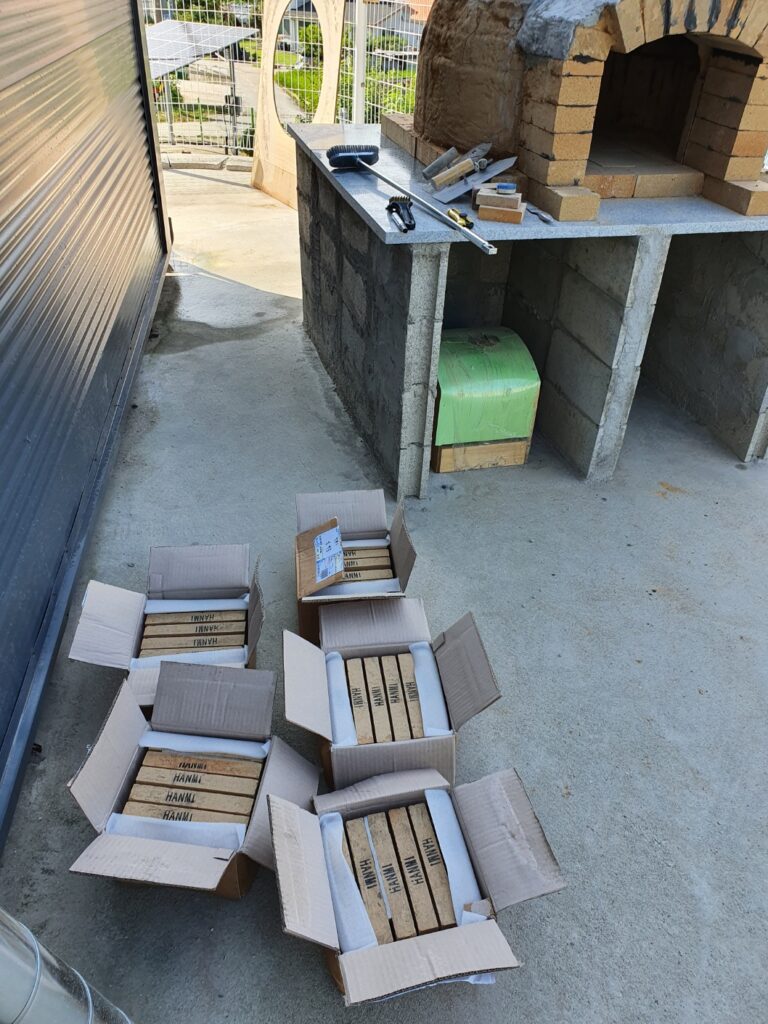
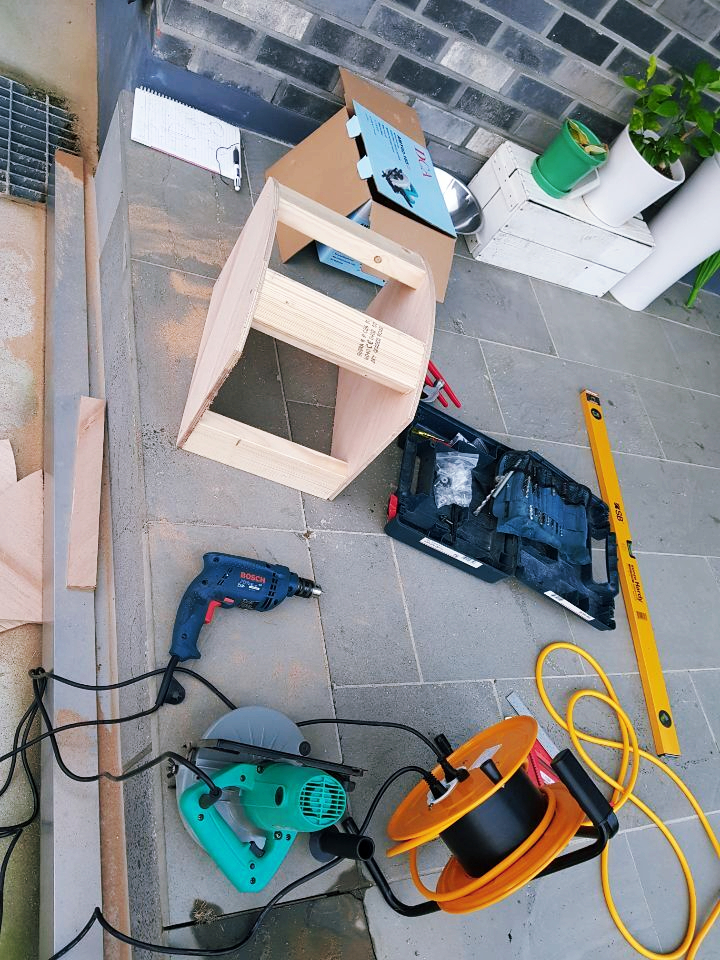
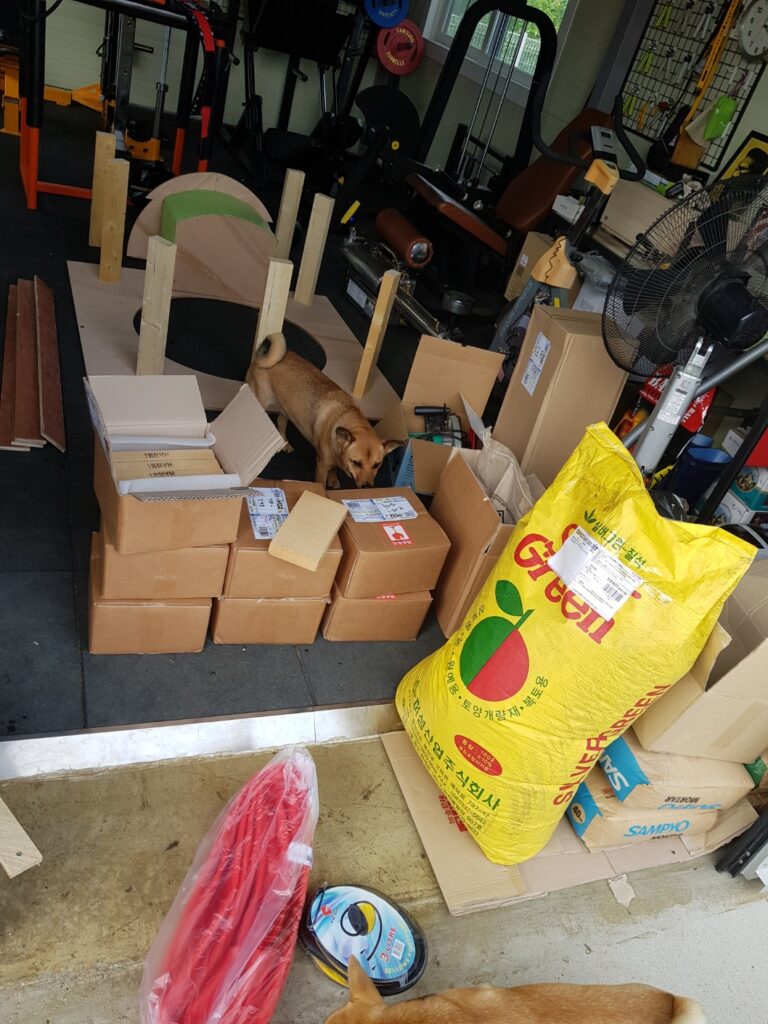
Main materials used for the oven build
Material Notes for Korea
If you are in Korea, one practical tip matters a lot: shipping can be expensive because fire bricks are heavy. I found that local building-material suppliers and refractory-material sellers were often more practical than relying only on delivery.
For materials like fire bricks, castable refractory, and refractory mortar, it helps to check local 건재상, refractory suppliers, or industrial material shops near your area. Heavy materials are often better picked up locally if possible, because the delivery cost can surprise you.
That is one of the reasons I approached this project carefully. In Korea, a backyard pizza oven is still unusual, so even the shopping process becomes part of the learning curve.
First Cooking Test
Scones First, Pizza Second
When I first lit the fire, I was not sure whether the oven would perform properly. But as the temperature increased, the dome started doing what it was supposed to do.
I tested it with scones first. They had a subtle wood-fired aroma that a regular indoor oven cannot really reproduce.
Then I baked pizza.
The crust came out crisp on the outside and soft inside. That was the moment I felt the project had truly paid off.
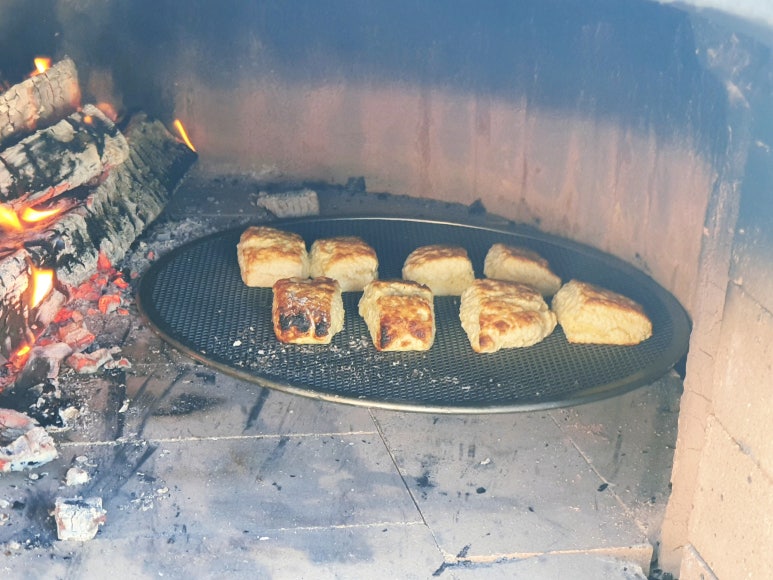
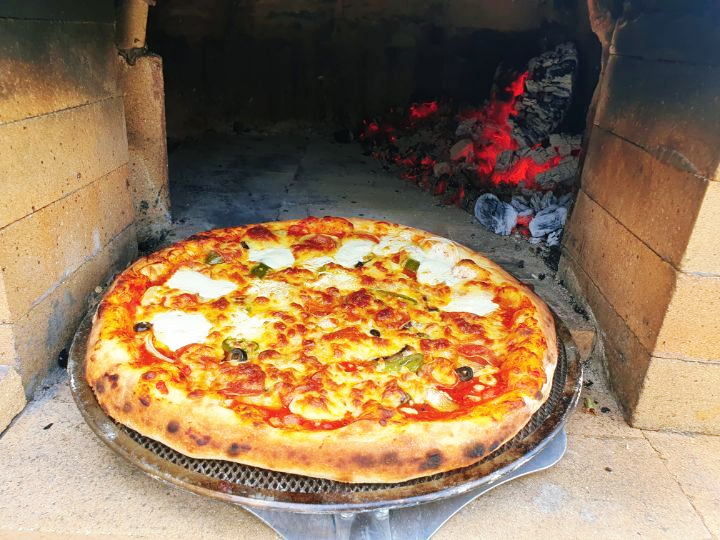
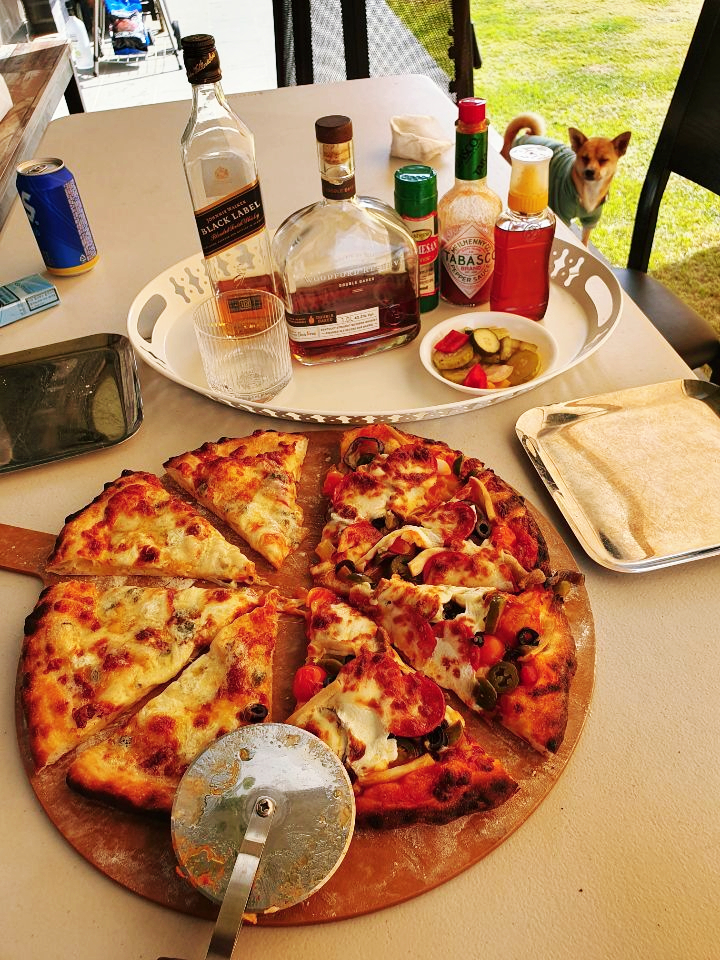

First test bake with scones and pizza
Why the Result Was Different
A wood-fired oven cooks differently because it combines radiant heat, retained dome heat, and direct flame behavior. That combination gives you fast baking and a texture that is hard to copy with a normal kitchen oven.
Five Years Later — Real Condition and Durability
What the Oven Looks Like Now
This is the part many people care about most.
After five years of use, the oven is still in good condition. There are no major structural cracks, and the shape remains stable.
That does not mean it is maintenance-free. Soot builds up inside. Dust can settle if it is not used for a while. In a backyard setting, that is normal. But the core structure has held up well.
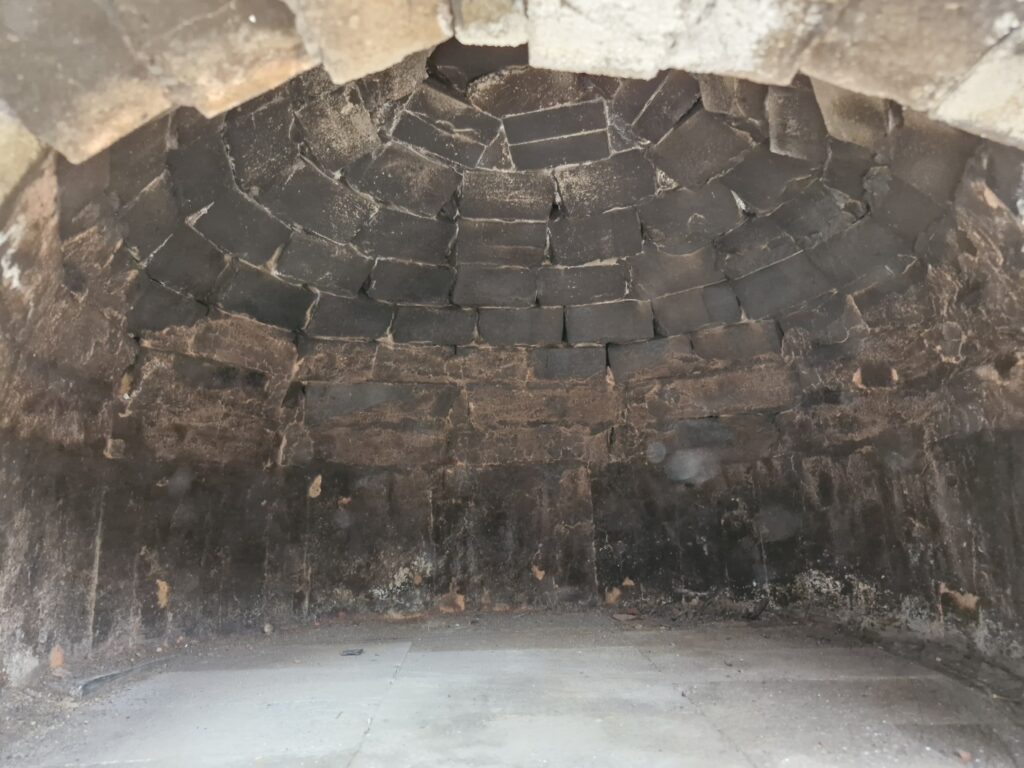

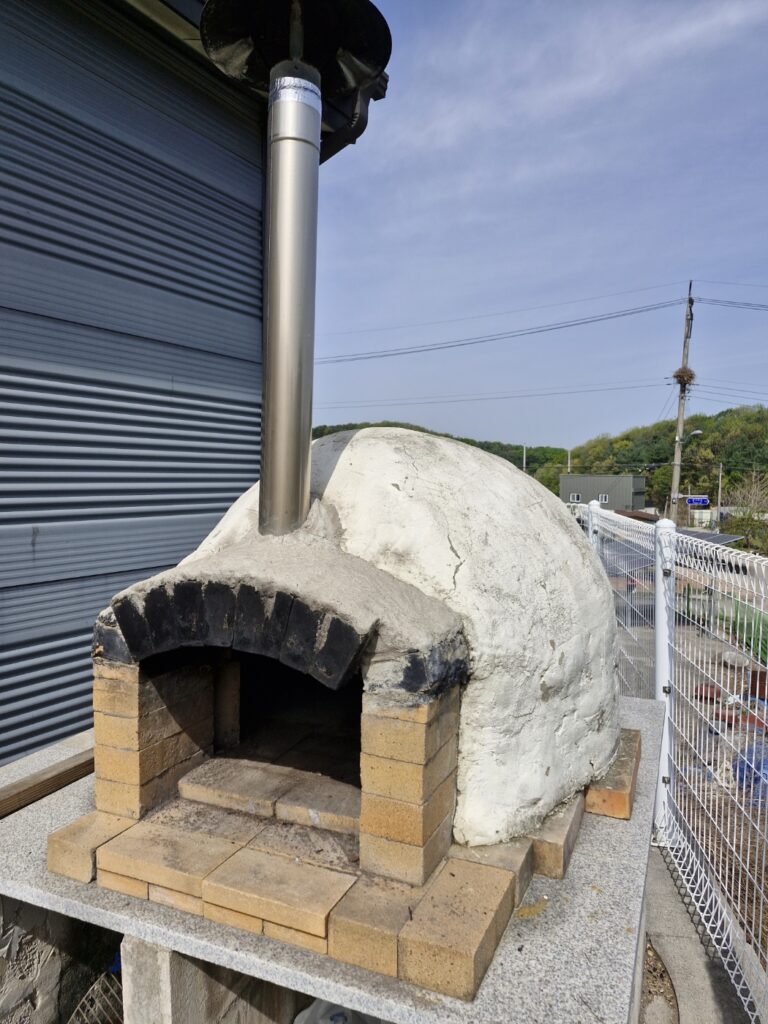
Five years later, the oven is still structurally sound
Maintenance Tips
Keep It Dry
Moisture is one of the biggest enemies of a wood-fired oven. If possible, keep it covered when not in use.
Remove Ash After Use
Ash management is simple, but important. Removing ash after each use helps keep the oven cleaner and easier to maintain.
Use Dry Firewood
Properly dried firewood helps the oven heat more efficiently and reduces unnecessary smoke.
What I Learned
Materials Matter More Than Appearance
The first build looked acceptable for a moment, but it was not strong enough. The second build worked because the materials were right.
Leveling Matters More Than Speed
A stable base takes time. It is not exciting, but it is essential.
Heat Retention Is the Real Goal
A pizza oven is not just a fire pit. The dome must store heat and release it evenly.
Frequently Asked Questions
Can I use regular bricks instead of fire bricks?
No. Regular bricks are not designed for repeated high heat and can crack or fail over time.
How long did it take to build?
About one month, working two to three hours per day after work.
Where can I buy the materials in Korea?
Local building-material shops, refractory-material suppliers, and industrial material sellers are usually the most practical options. Because the materials are heavy, delivery can become expensive.
How do you protect it from rain?
Keep it covered and dry when not in use. Moisture is the main thing to avoid.
This is not a professional build, and it’s not perfect.
But it’s real.
I followed what I could learn, made mistakes, and adjusted along the way.
If you’re someone who’s just starting, this might actually be closer to your situation than a perfectly engineered oven.
Final Thoughts
In Korea, building a backyard pizza oven is still uncommon. Most people do not need one, and that is completely understandable.
For me, this started as a small experiment in the countryside of Paju and turned into one of the most memorable DIY projects I have ever done.
I am not a professional builder. I just tried, failed once, changed the materials, and kept going until it worked.
If you are thinking about building one yourself, I hope this gives you a realistic picture of what it takes.
Related Note
If you are comparing materials or planning a similar project, it helps to think about the oven as a heat-retaining structure rather than a simple outdoor decoration. Once that mindset changes, the material choices make much more sense.
Take a look at my backyard in spring, where everything starts to grow again.
That experience pushed me to try something bigger — building my own wood-fired pizza oven.